
Polestar has announced a new naming structure and a series of running changes for its 2027 Polestar 4 EV.
For the Model Year 2027 Polestar 4, Polestar is retiring the previous extended format names, with the Long Range Single Motor and Long Range Dual Motor variants now replaced by ‘Rear Motor’ and ‘Dual Motor’ monikers, while the model line adopts the ‘coupé’ suffix, despite its five-door form and SUV-like raised ride height.
Pricing for the Polestar 4 coupé Rear Motor holds steady at $78,500 plus on-road costs, while the Dual Motor has had a slight reduction, starting from $86,350, down $2000 compared to the 2026 version.
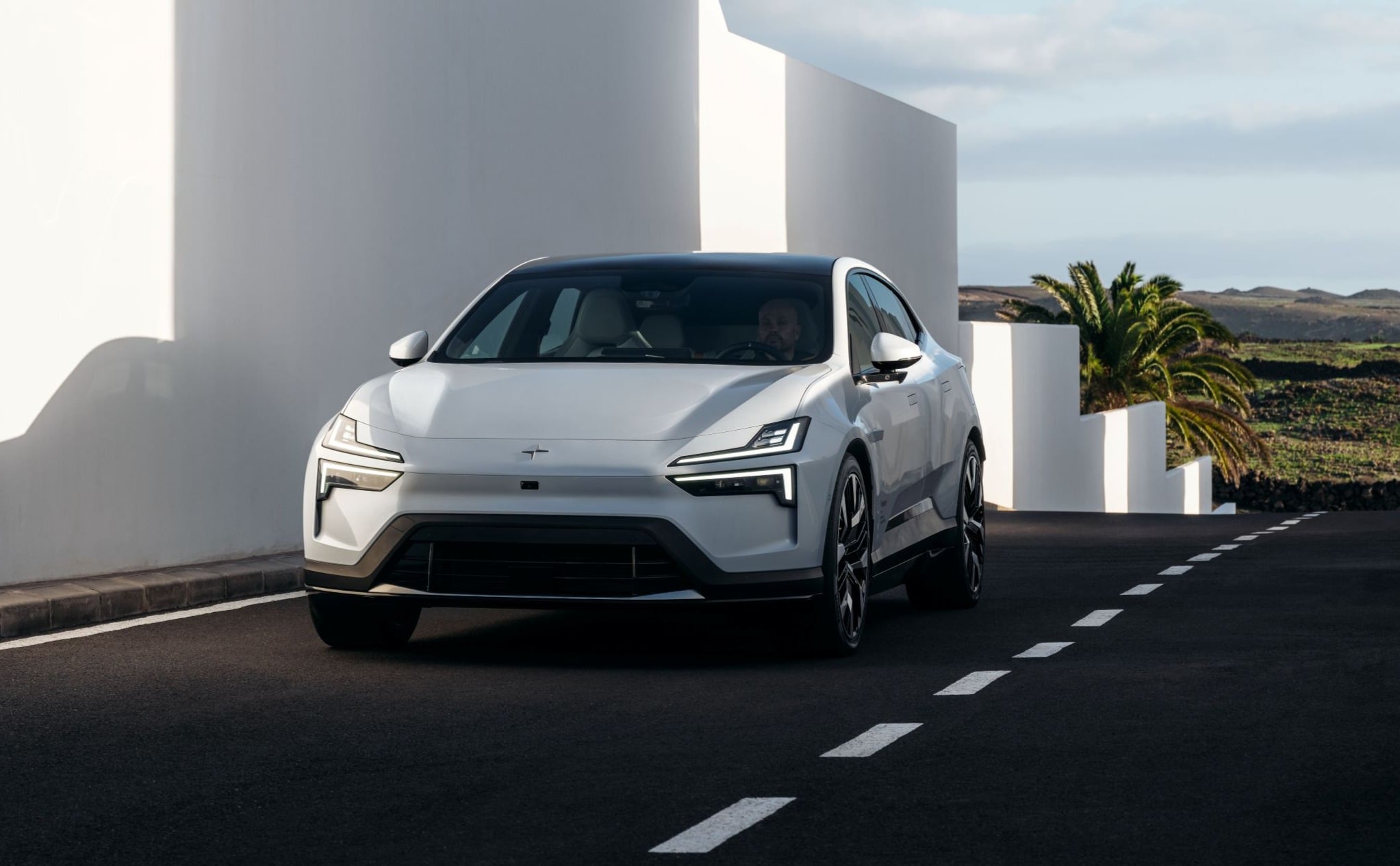
Mechanically, the Polestar 4 range retains the same 94kWh battery and 200kW/343Nm single motor on the Rear Motor version, with a similarly unchanged set of specs for the Dual Motor, with 200kW/343Nm motors on each axle for a combined 400kW and 686Nm output.
Range estimates are also unchanged, with a 620km claimed range for the Polestar 4 Rear Motor and 590km for the Dual Motor.
Revisions have been made to the suspension, with new high-capacity passive (not adaptive) dampers, revised settings for springs and anti-roll bars, and polyurethane rebound stops replacing the previously-fitted internal rebound coil springs. Tuning changes have also been made to the steering.
Polestar claims the adjustments result in improved comfort and agility.
Options have been adjusted for the 2027 Model Year. A new Comfort Pack brings some of the features from the Plus Pack, including a heated steering wheel, power steering column, easy entry/exit, and 12-way electrical seats with manual seat-base extension, priced at $1200.
The $6500 Plus Pack includes the items listed above, along with a head-up display, 16-speaker Harmon Kardon audio, pixel LED headlights with adaptive high beam, a hands-free power tailgate, rear seat control screen, power-reclining rear seats with heating, and three-zone climate control.
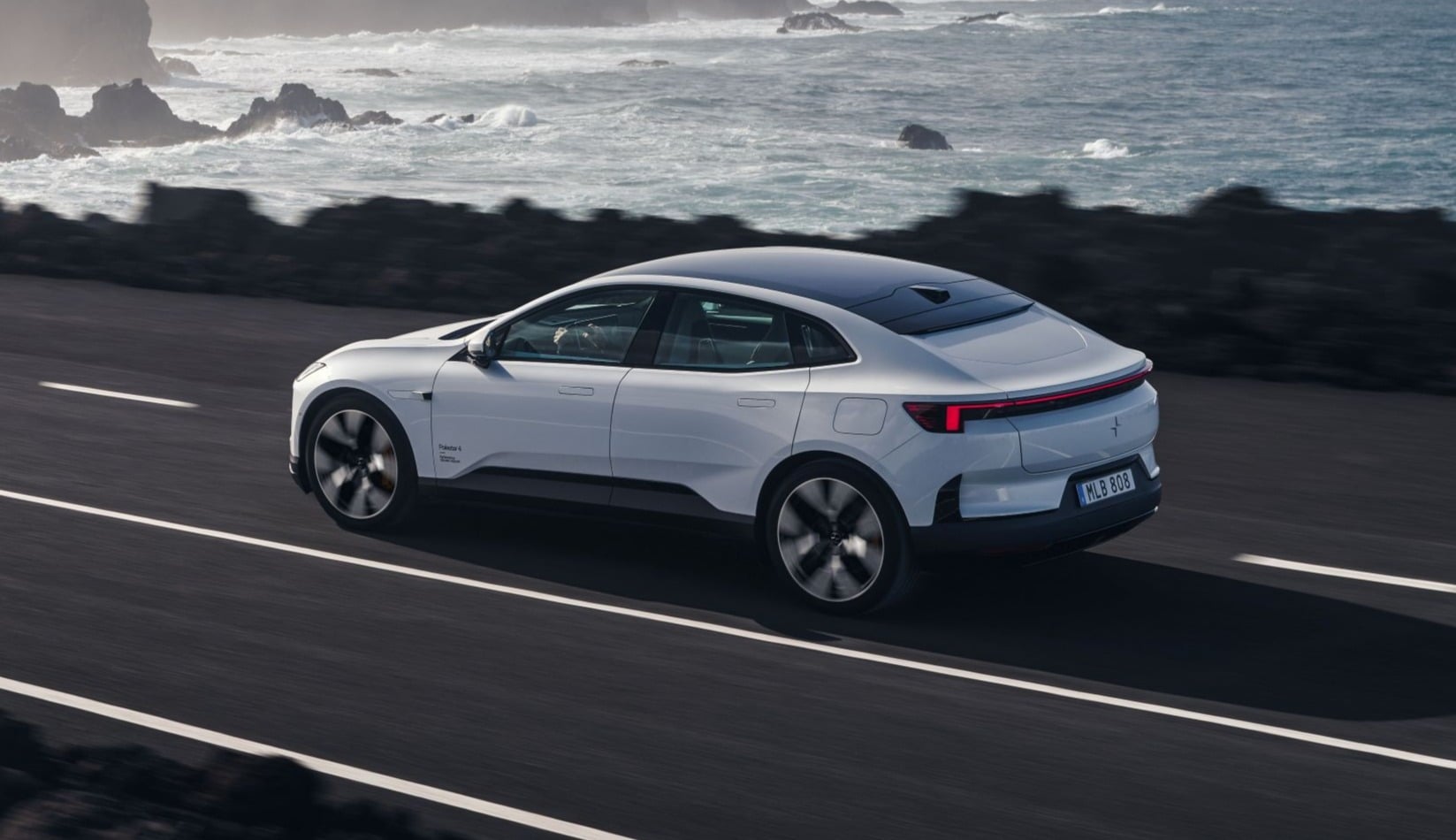
The Performance Pack for the Dual Motor remains, priced from $7200, adding 22-inch alloy wheels (in place of standard 20s), a Polestar Engineered suspension tune, Brembo brakes and Swedish Gold-coloured interior accents. The Performance Package can only be added in conjunction with the Plus Pack.
Also available in conjunction with the Plus Pack is a Nappa leather trim package which incorporates animal-welfare-secured leather, front-seat ventilation and massage, rear comfort headrests, and changes to the interior decor panels and headlining, priced at $5700 for Charoal-coloured leather, or $6100 for Zinc.
Stand-alone options remain available, listed below. The 2027 Polestar 4 coupé range is available to order now.
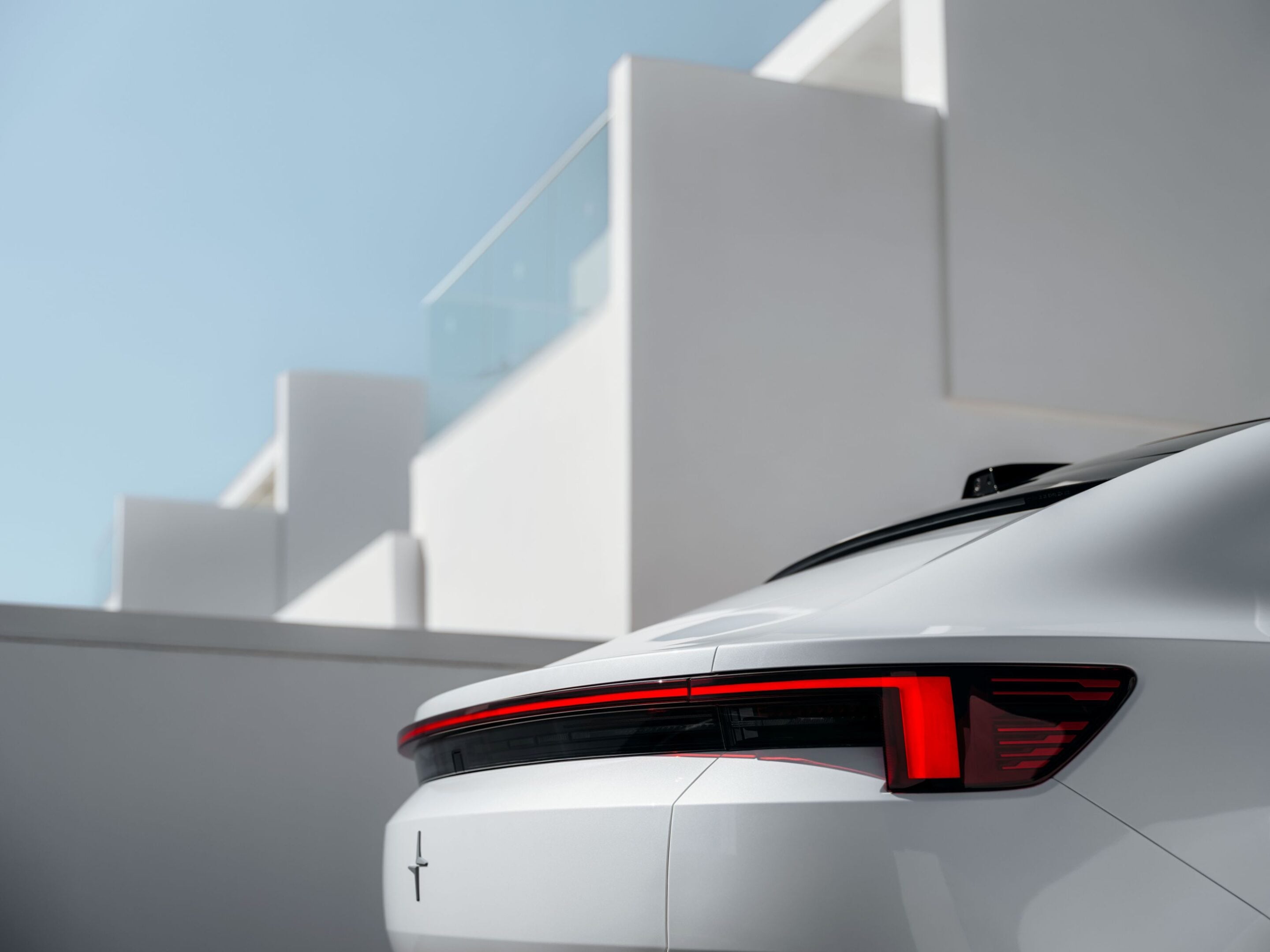
2027 Polestar 4 coupé pricing (excluding on-road costs):
| Polestar 4 coupé Rear Motor | $78,500 |
|---|---|
| Polestar 4 coupé Dual Motor | $86,350 |
Optional equipment
Comfort Pack – $1200
Plus Pack – $6500
Nappa leather, Charcoal – $5700
Nappa leather, Zinc – $6100
Performance Pack – $7200
22kW AC charging – $900
Colour-matched lower exterior panels – $1400
Electrochromic glass roof – $2200
Rear-side privacy glass – $700
Power-retractable towbar – $4070
The results are in and new survey data has revealed that tailgating is Australia’s most annoying driving habit. EzLicence, a driving lesson booking platform, surveyed more than 1000 Australians to uncover the driving behaviours they find most annoying and concerning, and has ranked the top five by overall frustration.
Using a wide range of respondents with varying ages, genders and even locations in Australia, the EzLicence survey found some notable results, including:
- Tailgating narrowly edged out failing to use indicators as Australia’s most frustrating driving behaviour, with almost one in four Australians (23.3 per cent) naming it as their biggest road annoyance.
- Sitting unnecessarily in the right or middle lane ranked as the third most annoying behaviour overall, highlighting frustrations around traffic flow and lane discipline. Dangerous driving behaviours also featured prominently, with aggressive driving and using a phone while driving both making the national top five.
- Women were more likely to be frustrated by drivers who fail to indicate, with 23.5 per cent ranking it as their top pet peeve, compared with 20.7 per cent of men. Men were more likely than women to be irritated by tailgating, with almost a quarter (24.8 per cent) naming it as the driving habit they dislike most.
- Women were more likely to be concerned by aggressive driving, ranking third overall (12.1 per cent), while men were more bothered by motorists sitting unnecessarily in the right or middle lane (13.6 per cent).
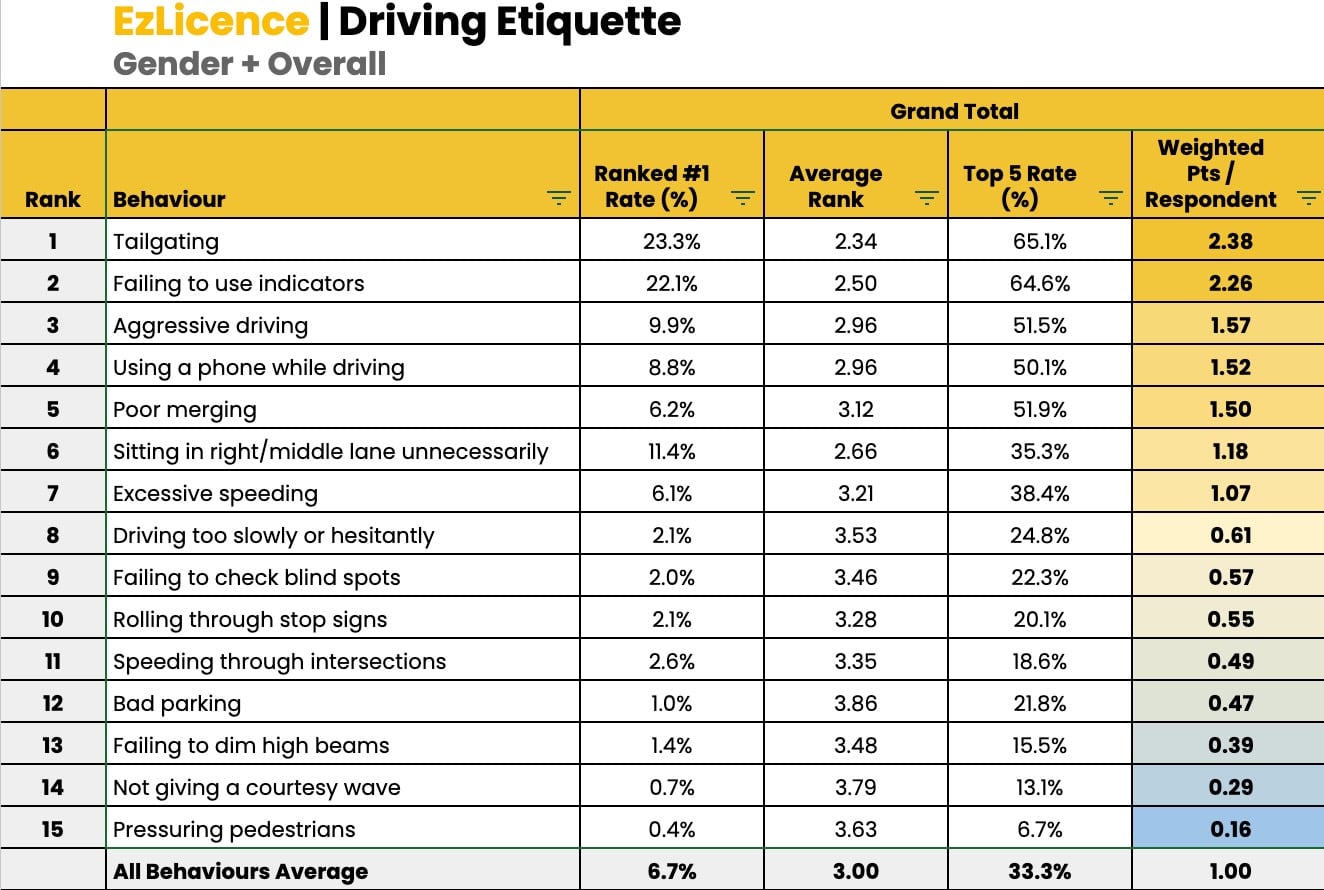
Top 5 most annoying driving habits in Australia:
- 1: Tailgating (23.3 per cent)
- 2: Failing to use indicators (22.1 per cent)
- 3: Sitting in the right/middle lane unnecessarily (11.4 per cent)
- 3: Aggressive driving (9.9 per cent)
- 4: Using a phone while driving (8.8 per cent)
Peter Davis, CEO of the EzLicence Instructor Academy, comments: “Many of the driving behaviours Australians find most frustrating, such as failing to indicate and tailgating, are habits that can be picked up early when learning to drive. While practising with family and friends is valuable, learners can also adopt bad habits without realising it. Professional driving lessons help ensure drivers are taught safe, up-to-date techniques and good road etiquette from the start.”
Cupra Australia has announced local pricing for the new Leon VZx Sportstourer, which is due on our shores from September 2026. Indirectly replacing the Volkswagen Golf R wagon, which left Australian shores in July 2023, the Leon VZx Sportstourer uses the same platform and 245kW 2.0-litre turbo-petrol engine as the Golf R – but dresses it in sexier Spanish styling.
Sitting atop the Leon range for performance, which includes the 200kW plug-in hybrid VZe Sportstourer already on sale, the VZx Sportstourer will be priced from $67,490 plus on-road costs, or $72,490 driveaway.
Unlike all other Leon variants currently available in Australia, the VZx wagon uses an all-wheel drive layout and makes 245kW of power and 420Nm of torque, which is a big jump from the 221kW/400Nm – and front-wheel drive – VZx hatchback. As a result, its claimed 0-100km/h sprint time is just 4.8 seconds, which is 0.9 seconds faster than the smaller and lighter hatchback.
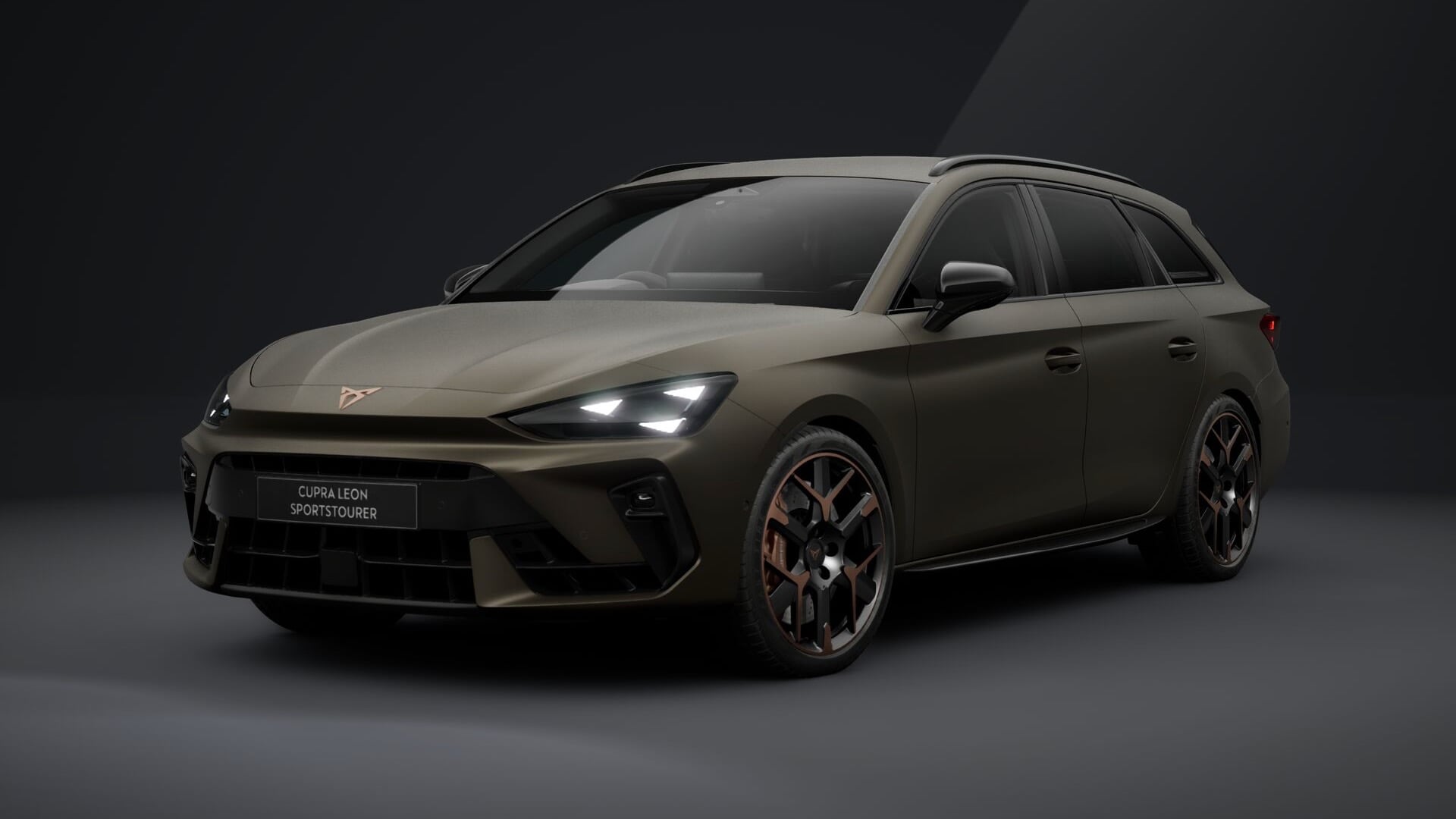
Like the related Formentor VZx small SUV, and the Golf R, the Leon VZx Sportstourer will include rear torque-vectoring tech that can send up to 50 per cent of power to the rear wheels and 100 per cent of that to either rear wheel, as well as a dedicated drift mode.
As a wagon, the Leon VZx Sportstourer can hold up to 620 litres of cargo with the rear seats in place, which is larger than medium SUVs like the Hyundai Tucson and Toyota RAV4.
Cupra is yet to announce full specifications for the VZx Sportstourer, but standard equipment is likely to mirror the VZe Sportstourer with 19-inch alloy wheels, adaptive dampers, a power tailgate, leather upholstery, a 12-speaker Sennheiser sound system, electric front seats with heating and memory functionality, a 12.9-inch touchscreen and a digital driver’s display.
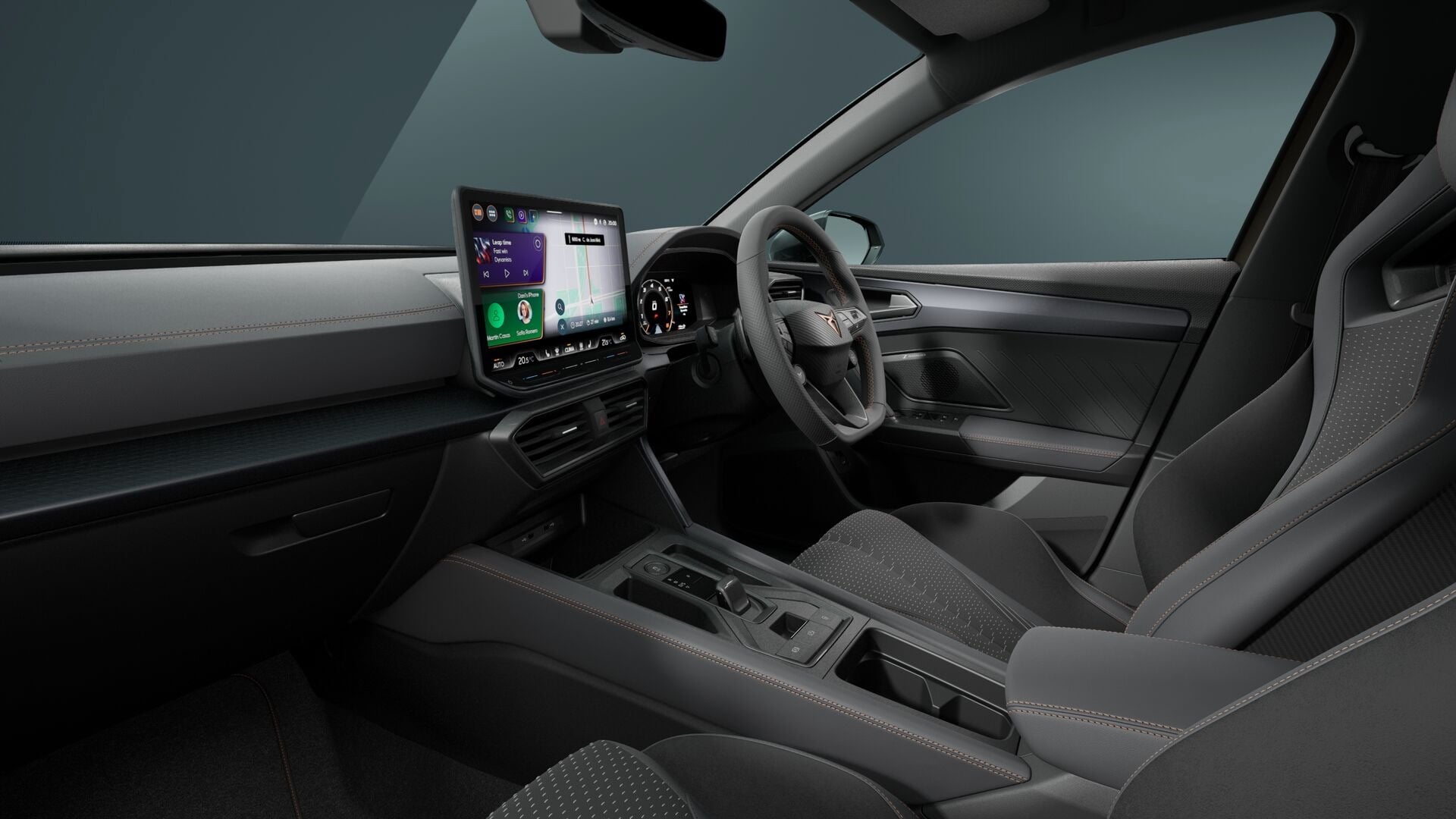
Options available for the VZx Sportstourer include $650 premium paint, $2650 matte paint, a $2000 panoramic sunroof and a $7600 Extreme Package, which adds Matrix LED headlights with adaptive high beam, dark gloss exterior trims, Sabelt Cup front bucket seats, fabric and suede seat upholstery and six-piston Akebono front brake calipers.
2026 Cupra Leon pricing (plus on-road costs):
| Leon S Hatch (110kW MHEV) | $46,990 |
|---|---|
| Leon Ve Hatch (150kW PHEV) | $62,990 |
| Leon VZx Hatch (221kW) | $64,990 |
| Leon VZx Sportstourer (245kW AWD) | $67,490 (new) |
| Leon VZe Sportstourer (200kW PHEV) | $69,990 |
The first deliveries for the Cupra Leon VZx Sportstourer will commence from September 2026.
A replacement for Honda’s cancelled electric SUV plans has emerged, and this time the Japanese brand is targeting the fast-growing segment of adventure-ready, rugged medium SUVs.
Set to enter production in Ohio by 2029, Honda will introduce a rival to cars like the Ford Bronco Sport, Subaru Forester Wilderness, and Nissan Rogue Rock Creek, in the fast-growing class of toughed-up SUVs that started life as road-biased models.
Automotive News reports that the new model is set to revive the Element nameplate, which Honda used previously in North America on a single-generation model built between 2002 and 2011.
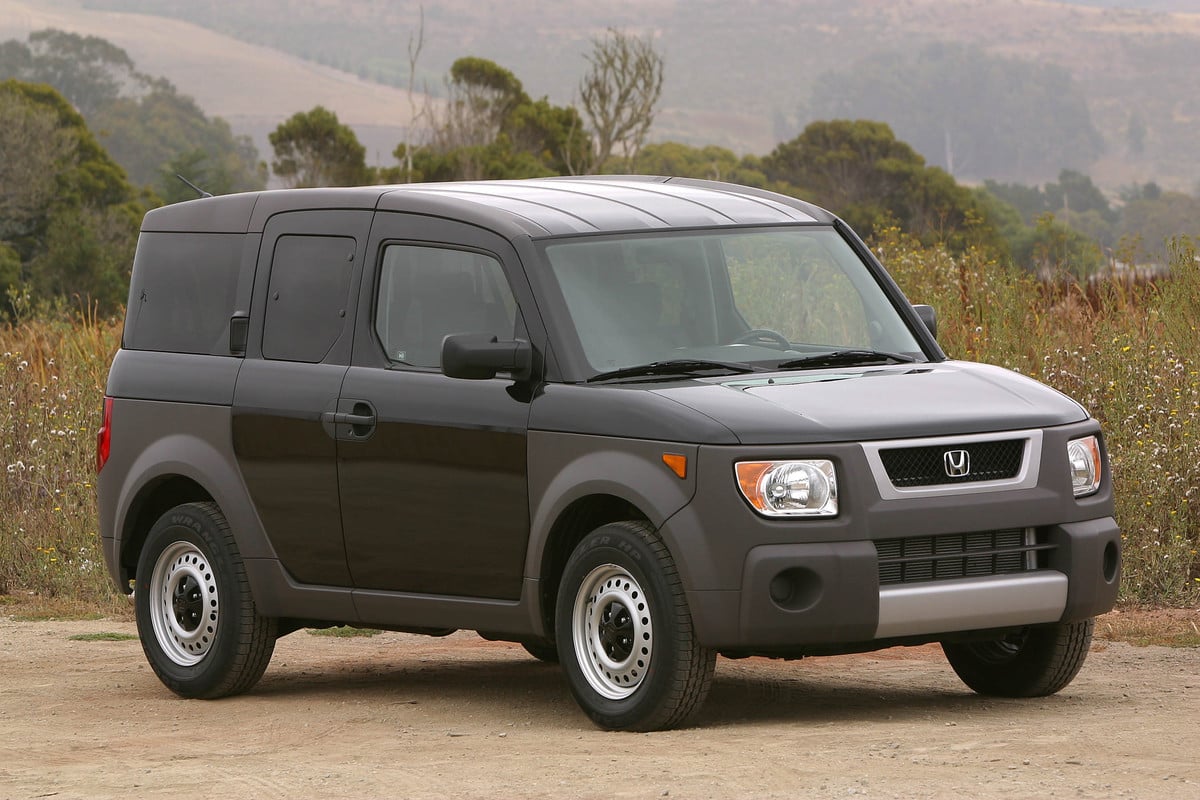
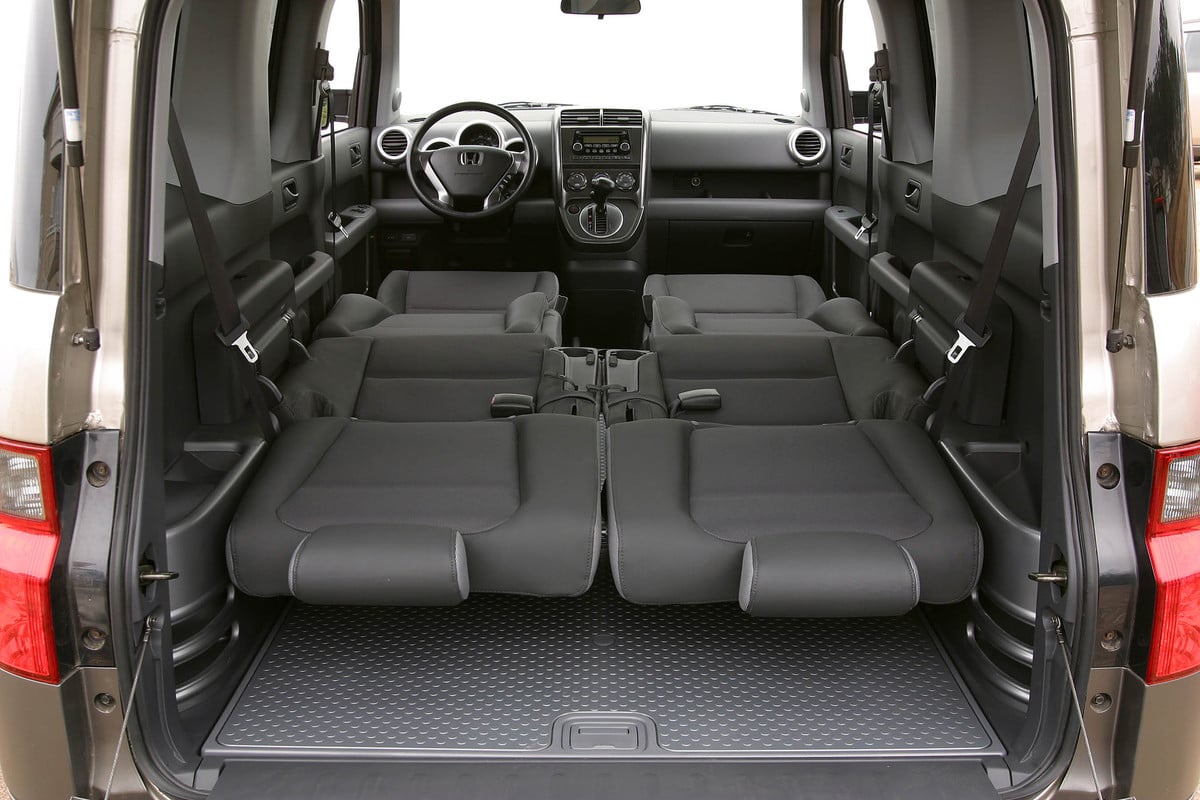
The original Element placed a huge emphasis on versatility, promising pick-up truck utility in a smaller, more nimble package. It featured a B-pillarless design with rear-hinged back doors, a multi-configurable interior with fold-flat seating, and sturdy, easy-clean flooring and interior plastics.
The report suggests that the new model will be sized to slot into the already-narrow gap between the medium-sized ZR-V (badged as the HR-V in North America) and the larger but still medium-sized CR-V.
In line with Honda’s focus on hybrid powertrains for future models, the Element is expected to forgo a purely combustion engine and be offered with hybrid power only.
Production in the US will serve global markets, suggesting the new model may have export potential beyond Canada and Mexico, but it has not yet been revealed how extensively the new Element will be distributed.
The Element would not be Honda’s first foray into the off-road-optimised crossover segment, with the company already offering the Passport SUV and related Ridgeline dual-cab ute as more capable offerings. These models include specially prepared Ridgeline versions, equipped with raised suspension, all-terrain tyres, and additional underbody protection, but are built on a monocoque, rather than ladder-frame, chassis.
Honda’s positioning of the new Element will be crucial. With its line-up already offering multiple similarly-sized models, the revived Element will be dependent on standing out for its improved utility and versatility – appealing to fans of the first-generation model while looking to conquer sales from similar rivals.
Hyundai wants to restore some of the ‘fun to drive’ theatrics to its electric vehicles, and it is preparing to expand the range of combustion-style driver traits in its flagship EVs.
The high-performance N division of Hyundai attracted attention when it launched the Ioniq 5 N EV with N e-Shift – a software tweak that allowed drivers to experience the feel of firing through an eight-speed dual-clutch gearbox with power-delivery pauses, engine sounds, and an imitation redline.
In an interview with Autocar in the UK, the head of Hyundai Motor Group’s research and development division, Manfred Harrer, revealed that future versions of Hyundai’s N cars will push the N e-Shift experience even further.
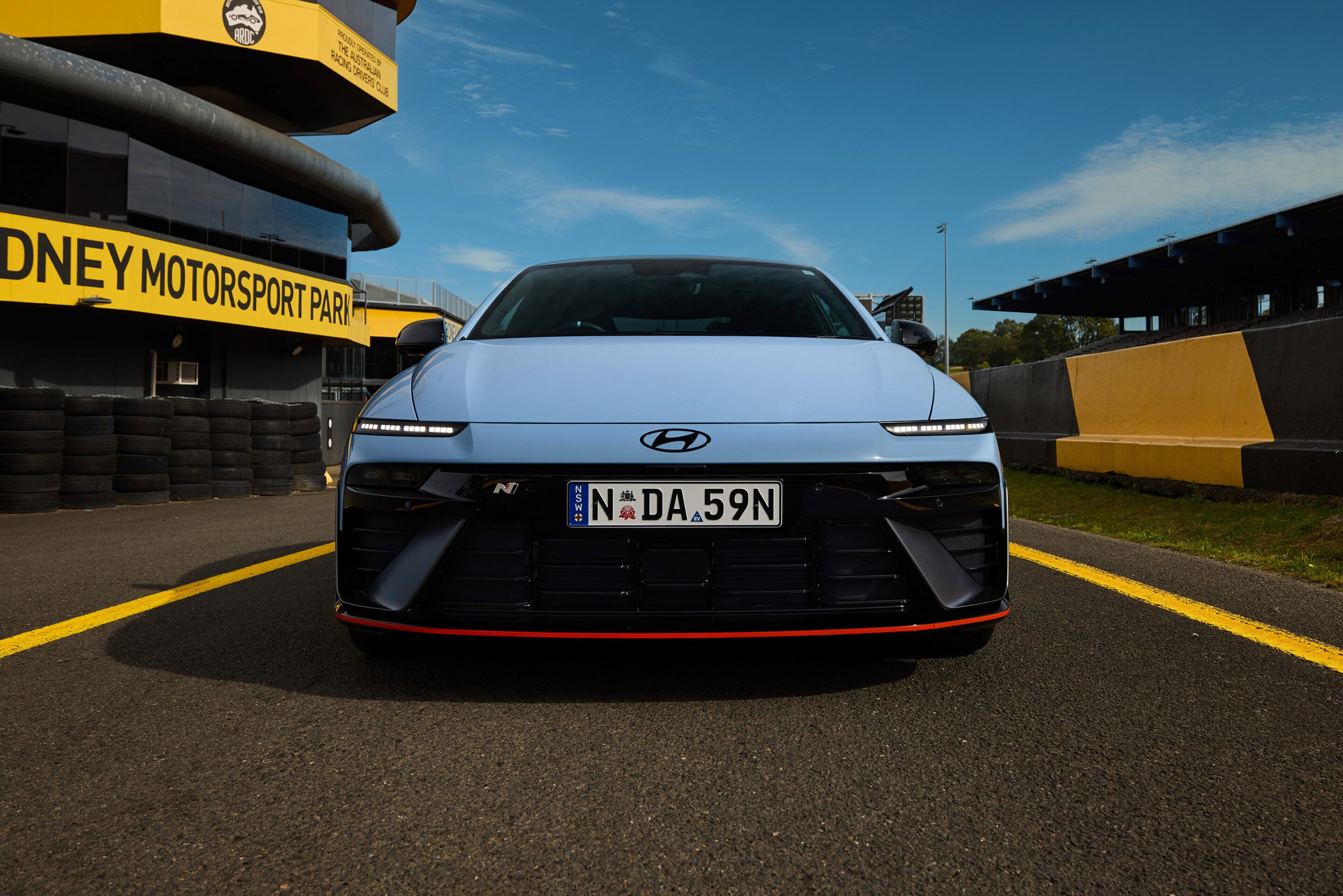
“We are leading, we are not following, on this technology,” Harrer said. “In the next generation of these cars, I want to make it even more realistic. I want to enhance it further.”
Although he stopped short of detailing how that integration would take form in future vehicles, Harrer gave plenty of hints of what to expect, mentioning “idling, exhaust backfiring” and “vibration in the car”.
Despite a focus on improved performance credentials for N cars, Harrer stressed that the company’s goal is to promote driver enjoyment, rather than outright speed.
His justification for the investment in creating simulated combustion-engine experiences for electric cars: “We are not the serious Porsche guys. We are fun to drive.”
Hyundai’s approach appears to have been noticed by other carmakers, with Honda introducing a similar simulated gearshift on its hybrid and electric vehicles, starting with the Prelude coupe and Super-One warm hatch, but with plans to roll it out across the range on future products.
Porsche has also announced that the Taycan EV will adopt artificial gearshift and engine noises, tailored to each specific model in its line-up, despite previously criticising Hyundai’s system.
While largely software-based, Hyundai’s full range of expanded ‘experience features’ may be held back until the next-generation Intelligent Modular Architecture (IMA) platform, the replacement for the current E-GMP platform, launches within the next few years.
Let the hazy nostalgia wash over you as you picture that thrilling moment where, after weeks of uncertainty, you finally had official recognition of your status as a provisional licence holder.
You didn’t have a laminated card in your wallet just yet (that’ll be posted out in a couple of weeks), but you did have a shopping list of desirable cars.
If you wanted to be the envy of other year 12 student, or your fellow apprentices, then one of these cars was probably high on your list.
There may have been a few regulatory hurdles in your way, and your budget may not have always aligned, but every dream had its alternative, so the realistic option is included as well. Just in case.
Mazda RX-7
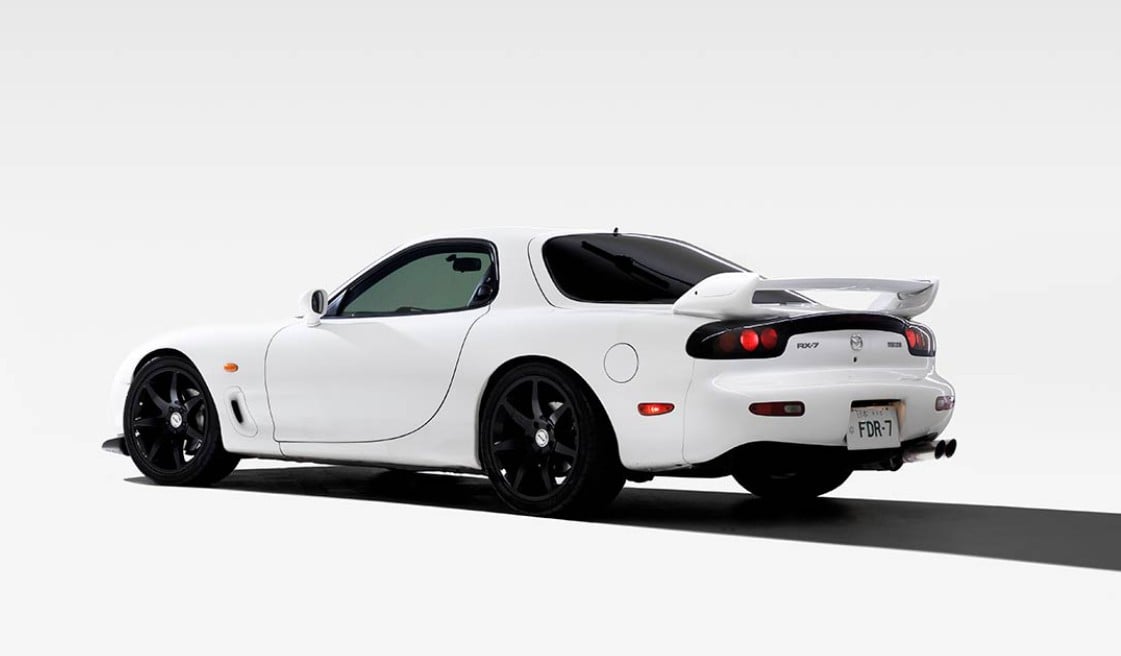
The impact Japanese sports cars had on impressionable P-plate drivers was unmissable. It was the allure of something mechanically precise, coupled with the endless amount of aftermarket tuning options, and the steady flow of underground drift VHS tapes and DVDs that fueled the fire.
You may not have fully understood what was so special about the RX-7, but the allure of a compact coupe with a screaming rotary engine spoke to the enthusiast inside you. The RX-7 came with problems, though.
Later models were prohibitively expensive and turbocharged, ruling them out for most. Older RX-7s didn’t have a stellar reputation for reliability, and often got snapped up for big engine builds and motorsport use
The alternative: A decent-ish MX-5
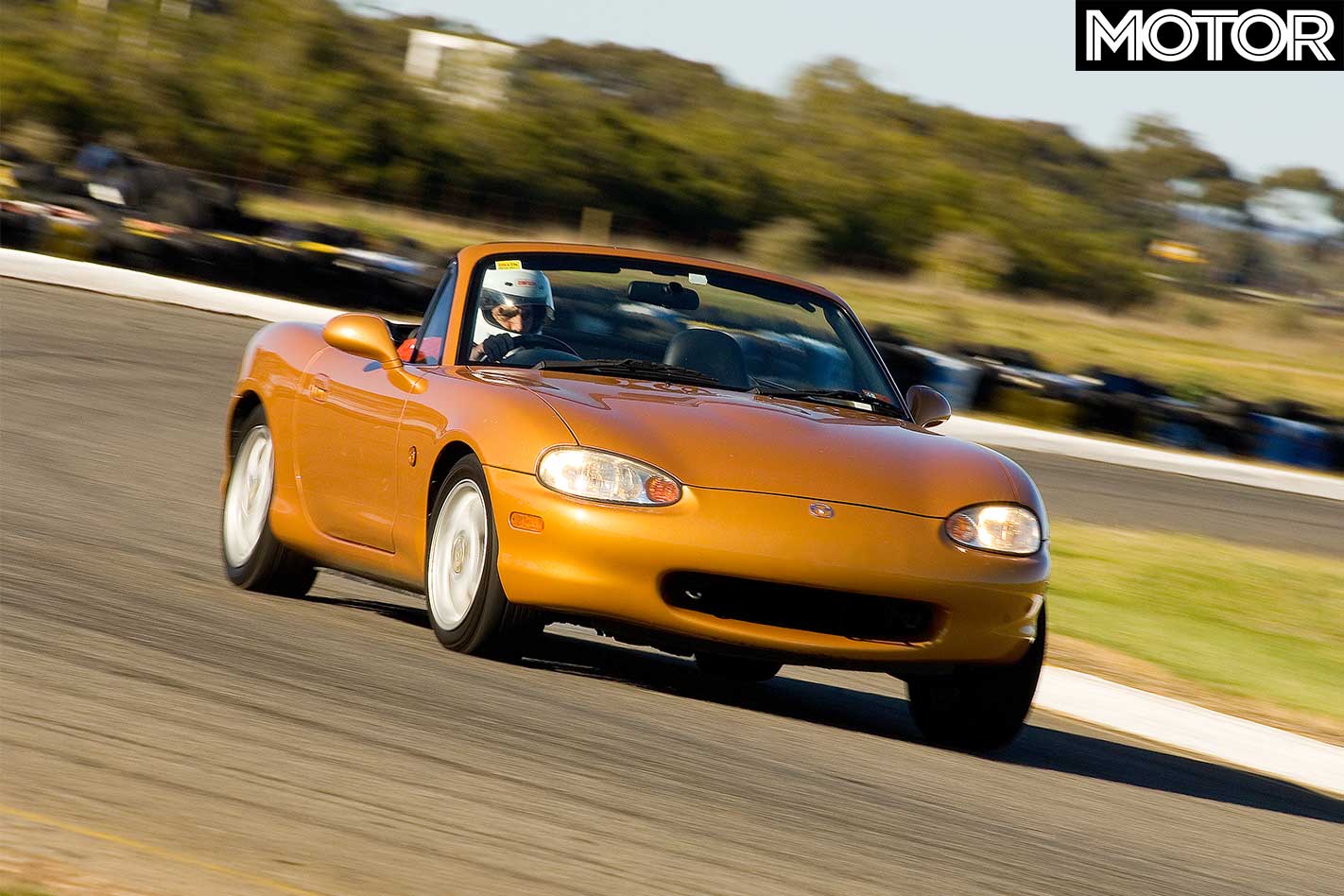
Easier to get your hands on, cheaper to buy, easy to work on, and free from restrictions, the MX-5 offered a solution that meant you kept a lightweight rear-wheel drive chassis and didn’t always need to feel bad about the backyard mods you subjected it to.
Suzuki Swift GTI
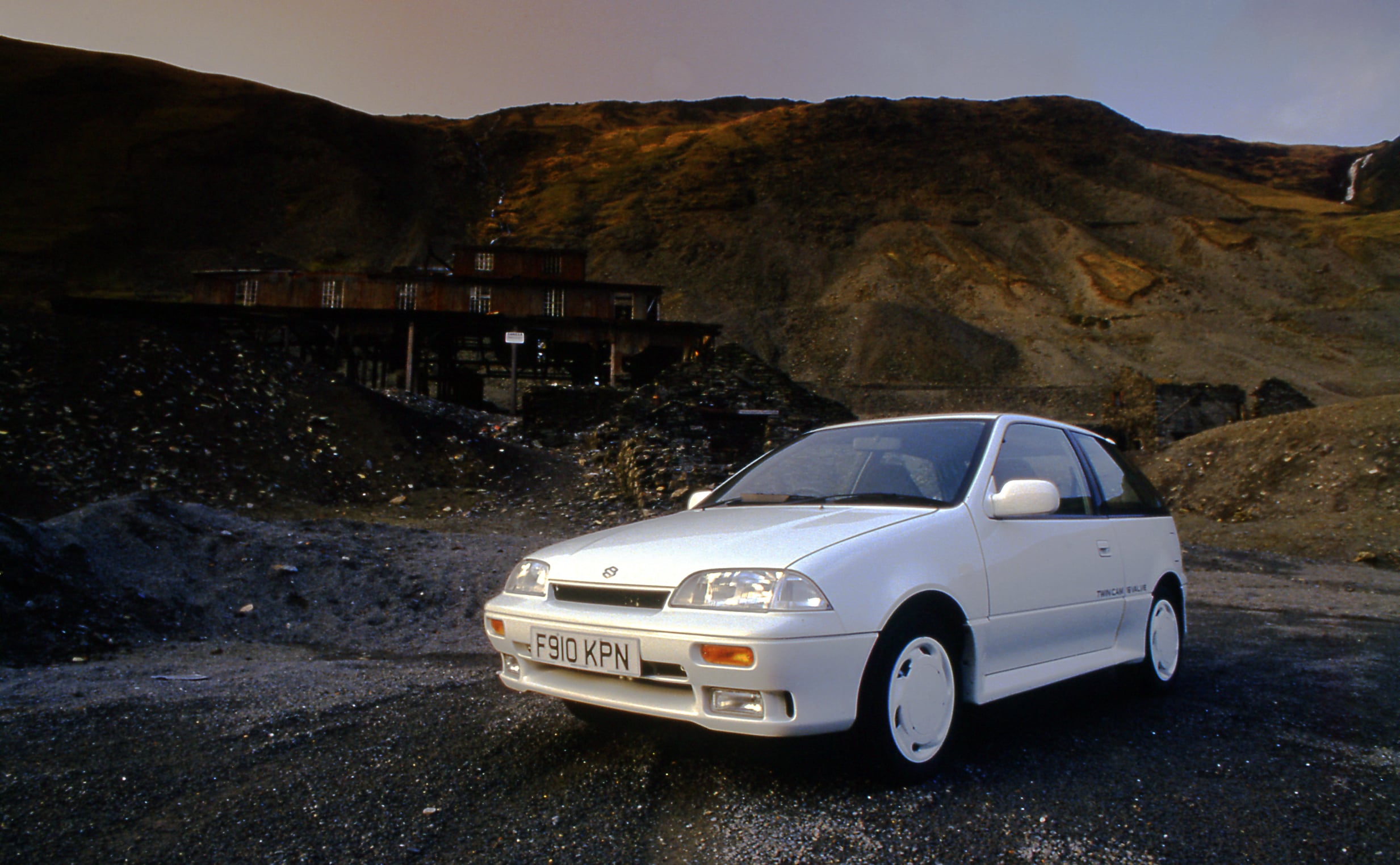
Oversized chrome rims and ground-scraping stance on a Suzuki Swift GTI? Almost inevitable.
The Swift GTI offered the kind of ‘if you know, you know’ performance of a lightweight hatchback with serious firepower from its rev-happy 1.3-litre engine. Often underappreciated, once they hit the used car market, they made excellent P-plater shuttles.
Best of all, nothing about the Swift GTI challenged restrictions for new drivers, so you didn’t have to settle for less. If you wanted a Swift GTI, you got one.
Toyota Supra
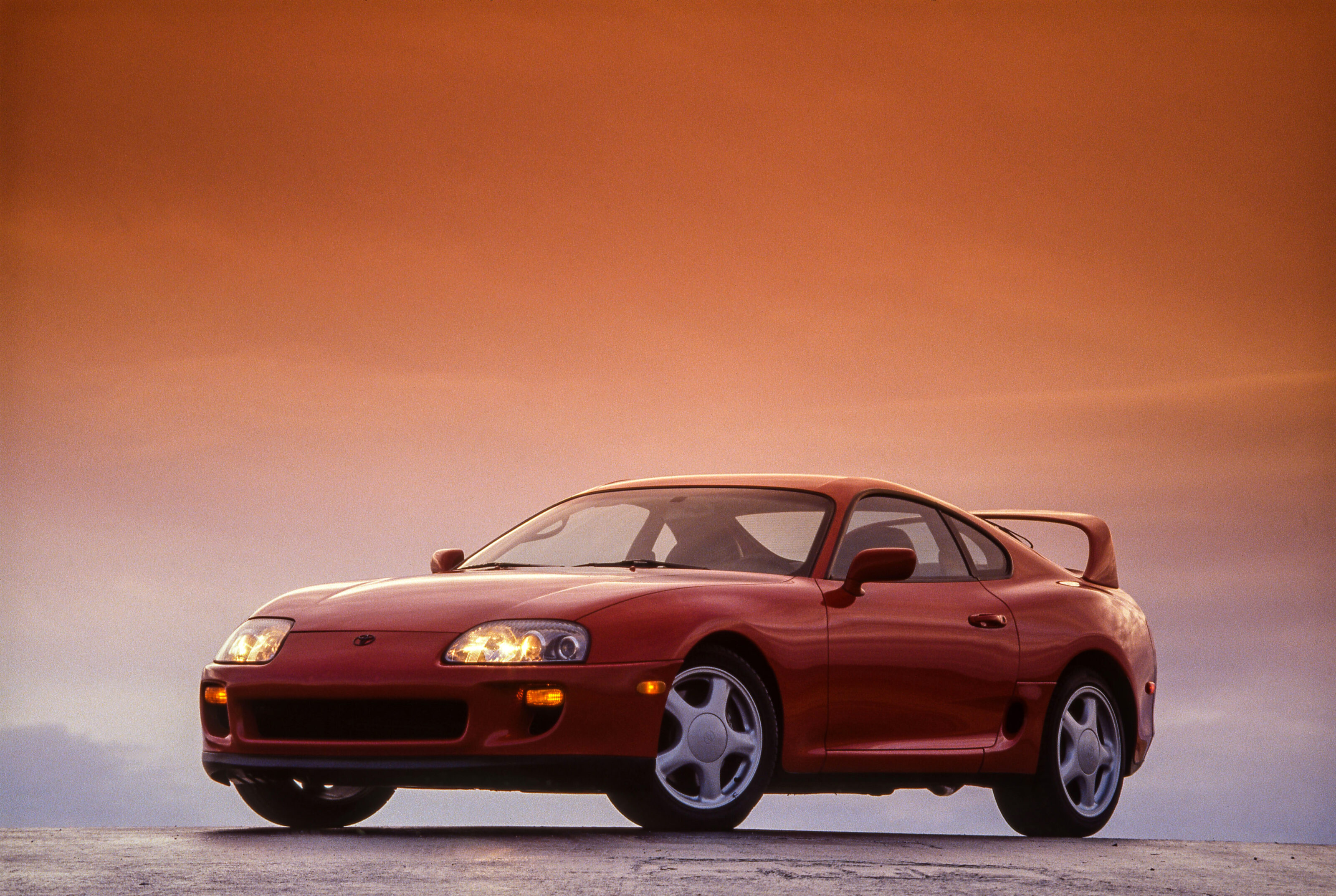
While nostalgia for the fourth-generation Supra reached a fever pitch right as the fifth-gen revival was revealed, rewind a couple of decades, and the Supra already had a grasp on the minds of impressionable new drivers.
In 2001, the arrival of a particular car culture movie sealed the deal. If you couldn’t get an orange Supra (and let’s face it, you could not), then you could build your own close-enough tribute car.
But Supras weren’t particularly common, although Japanese imports helped, and unless you got one without a turbo, you probably couldn’t drive it on your Ps.
The alternative: A Celica is close enough
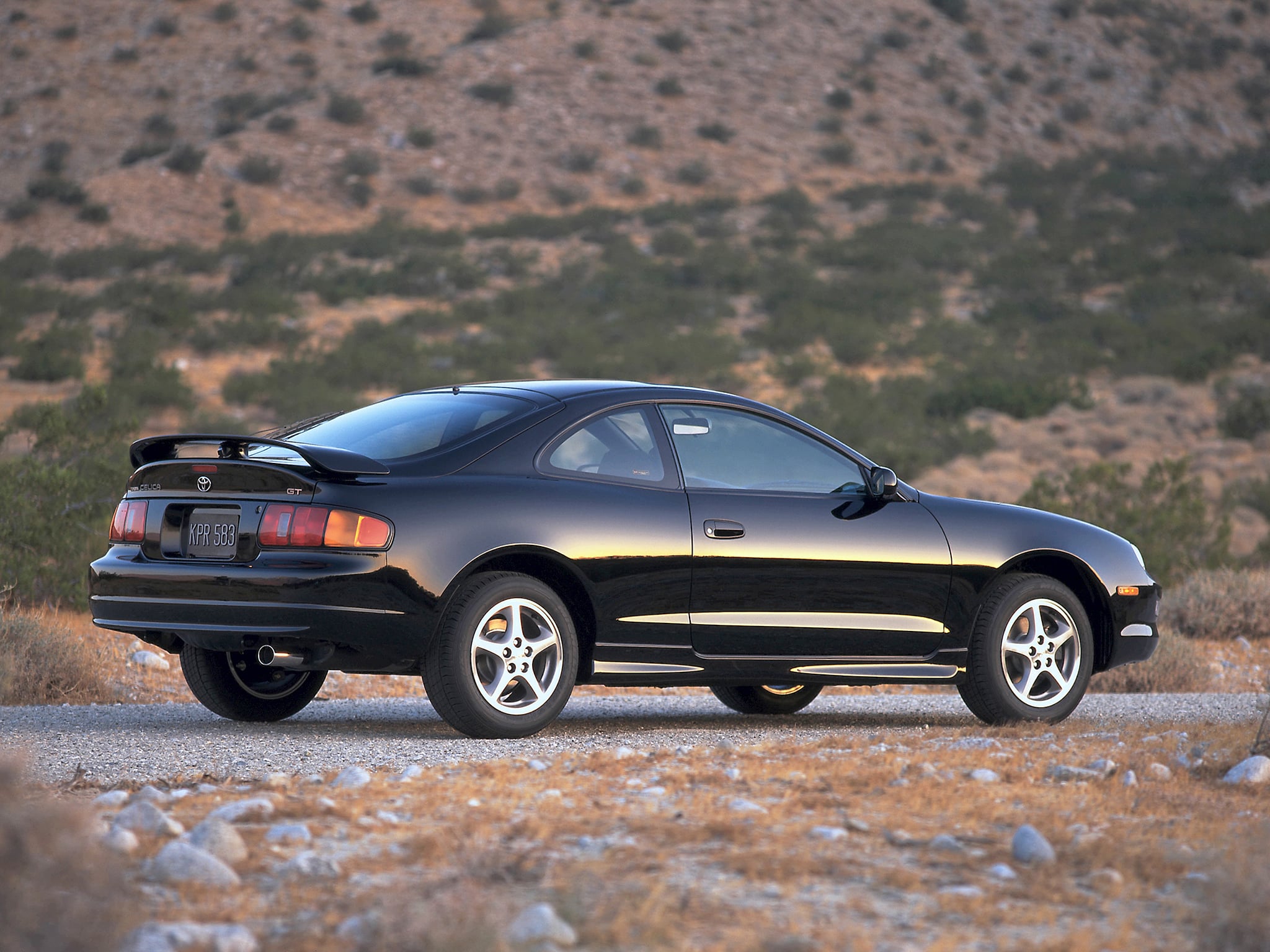
Thankfully, Toyota had a two-door backup plan for you. More common, more on-budget, but ultimately a little further down the street cred pecking order. The Supra was king, but the Celica was surprisingly good fun if you could survive the jokes from your mates.
Mitsubishi Lancer Evolution
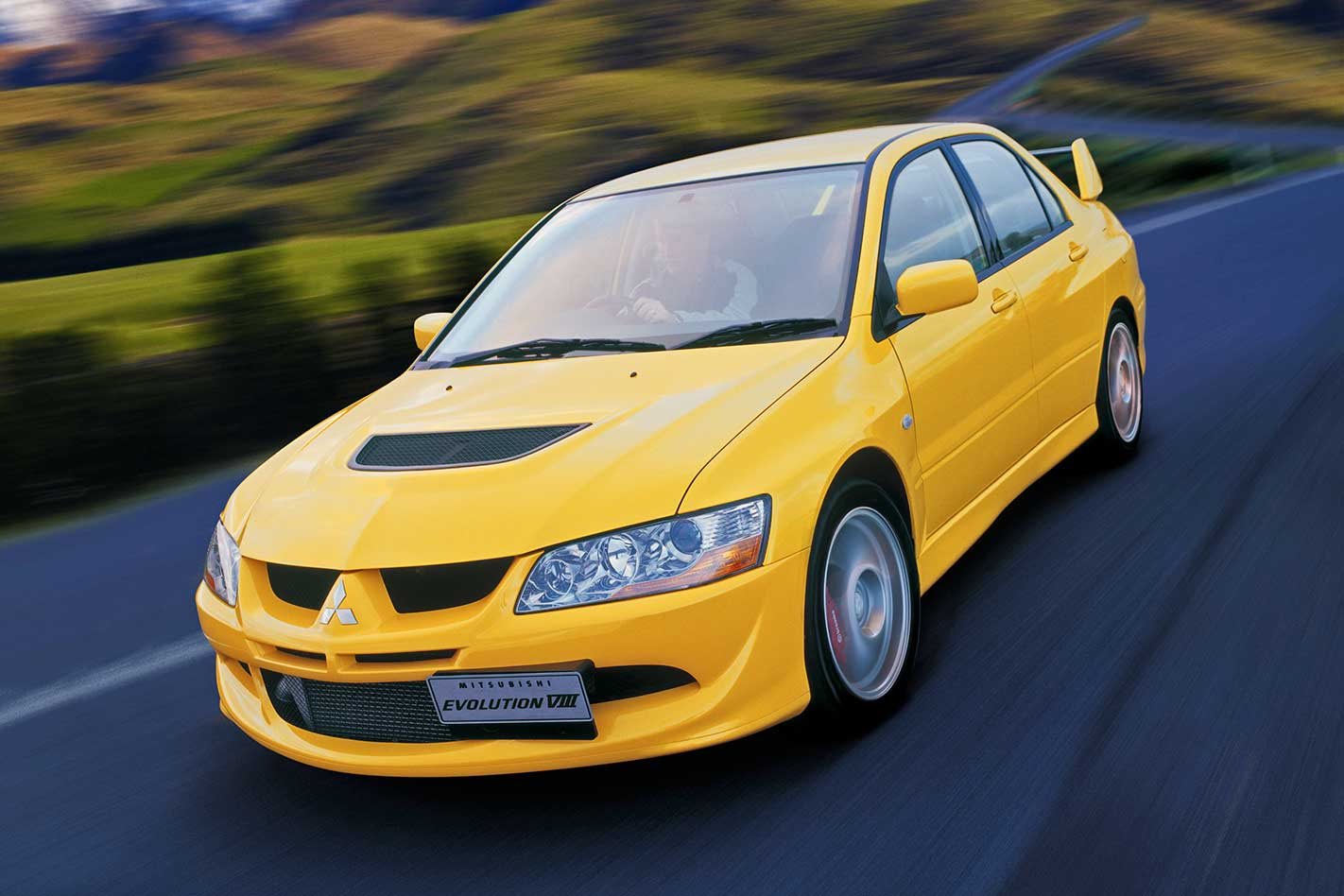
The rise of gaming consoles exposed the already popular realm of World Rally Championship racing to a younger, more impressionable crowd. The high-powered Lancer Evolution would have always been a cult classic, but being able to drive one in Gran Turismo and Need for Speed: Underground 2 accelerated its infamy.
Of course, if you lived in a state where turbos were banned, you’d have to temper your expectations. That didn’t stop everyone, of course, and some earlier Evos proved smart buying if you could find one secondhand.
The alternative: A dressed-up Lancer coupe
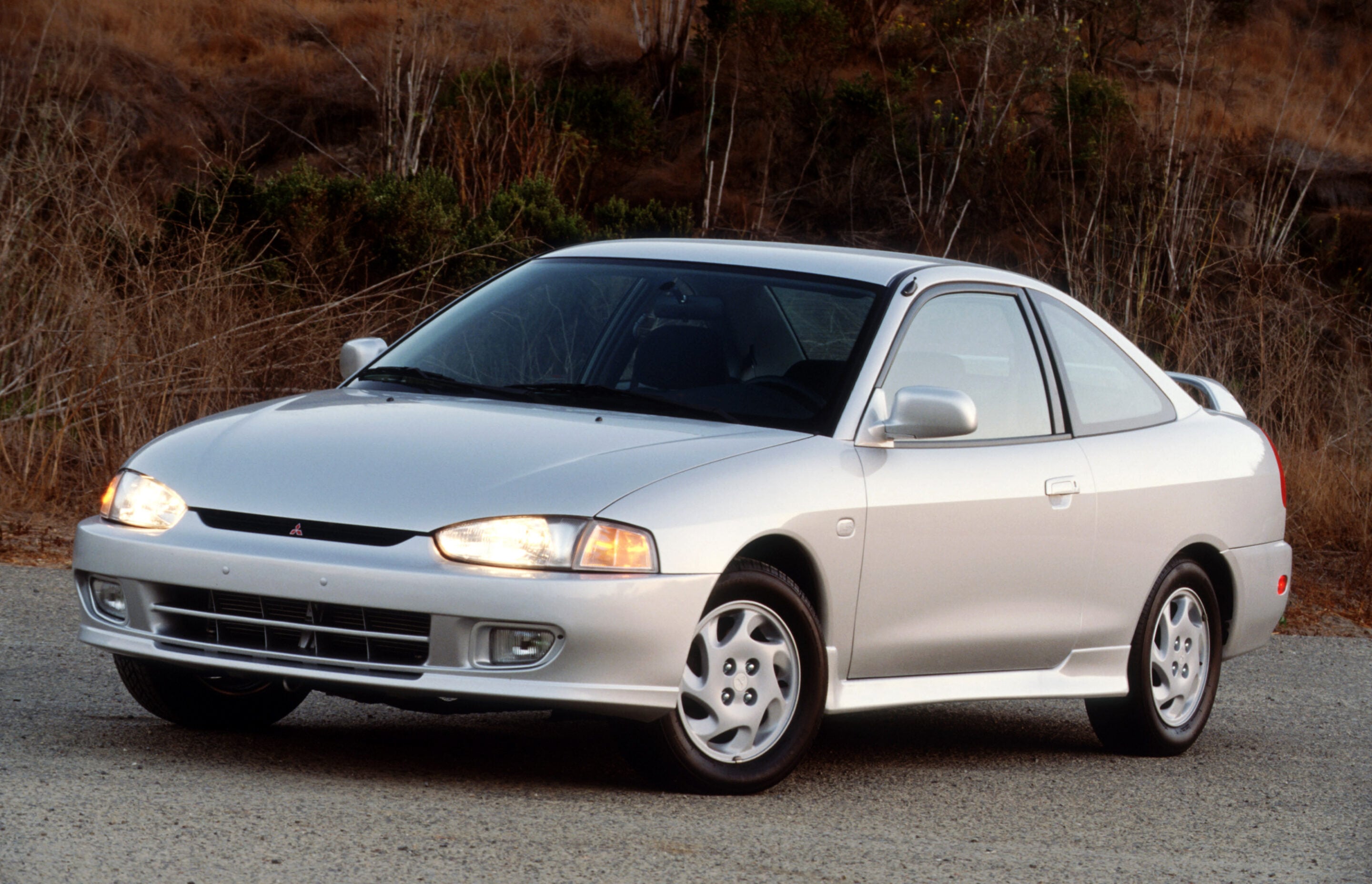
The popularity of the Evo also gave way to a sea of ‘tributes’. Look-alike bodykits were common, and the Lancer’s almost throw-away pricing meant a basic Lancer wouldn’t break the bank, leaving enough room in the budget for a set of Altezza-style taillights, some replica JDM wheels, and a fibreglass Evo bumper.
Nissan Silvia
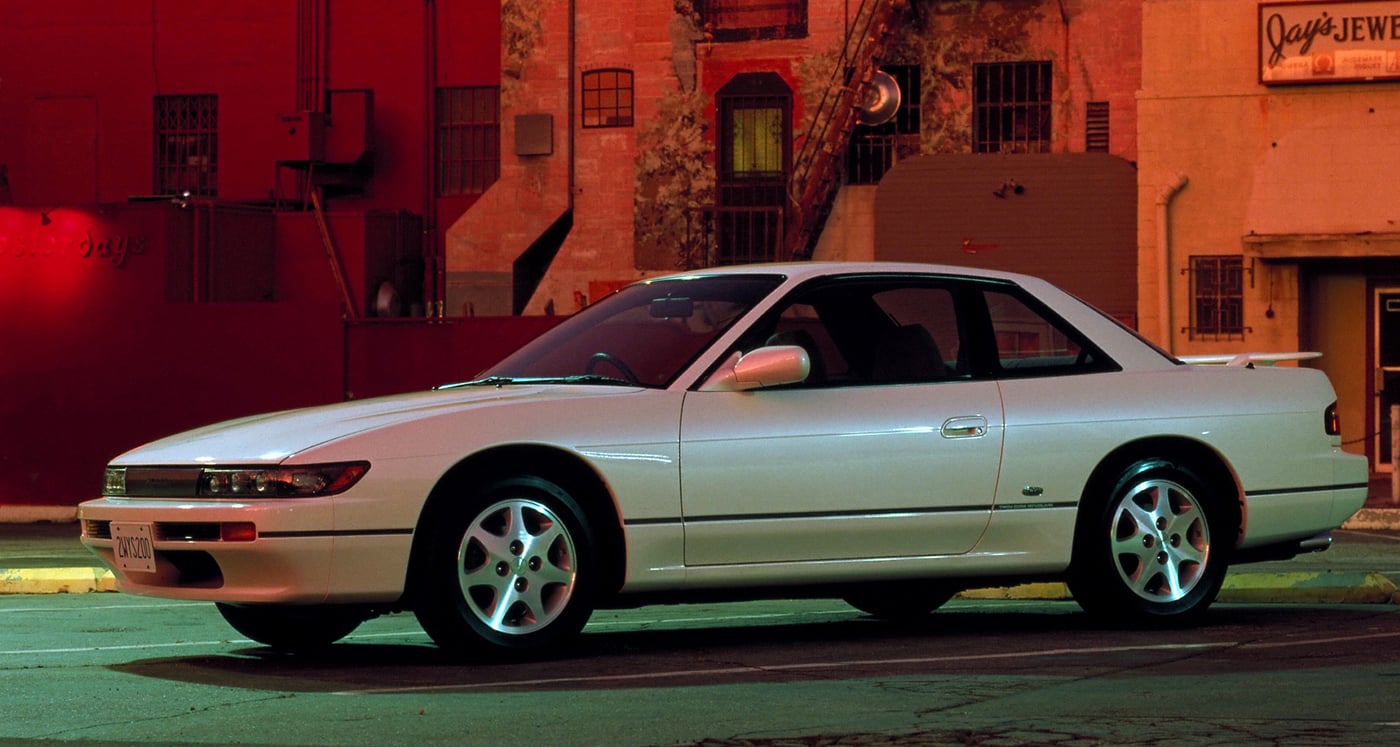
The Silvia represented a fantastic opportunity, just like the R32 and R33 Syklines before it. You could dodge the high insurance or outright turbo bans on high-end versions and opt for an atmo model.
You could also find yourself with a tidy sleeper to minimise the amount of unwarranted police attention you received, but there was a good chance you wouldn’t. A healthy supply of affordable and desirable aftermarket modifications was simply too good to ignore.
At its core, the Silvia balanced impressive handling, some edgy JDM tech, and enthusiastic engines, and was a real highlight of import culture in the 1990s
The alternative: A ‘sensible’ Pulsar SSS
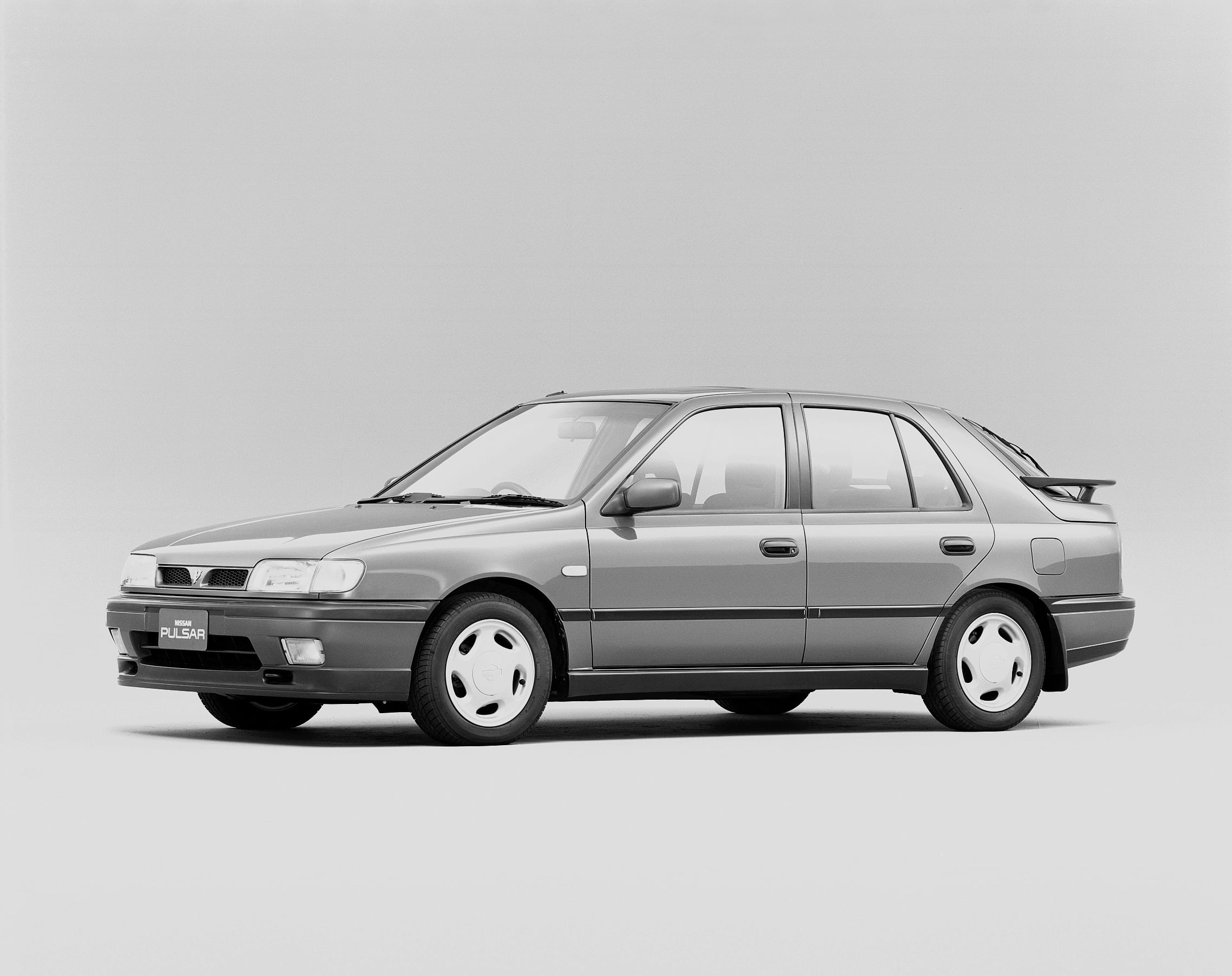
The shortcut to a Silvia was its hot hatch sibling, the Pulsar SSS. The two shared the Nissan’s SR20 engine, but the Pulsar was front-wheel drive. It also managed to be a lot more practical, and you could more or less sleep in the back of one for camping weekends and music festivals.
Honda Integra Type R

Honda’s red-badged Type R cars all held a certain appeal, but the ultimate was the Integra Type R. While it sounds tame today, pushing 141kW from a naturally aspirated 1.8-litre engine with a 7900tpm power peak was no mean feat.
The third-generation Integra of the late ‘90s felt like a scaled-down supercar. It had an edge that later models couldn’t live up to, getting softer and heavier. The fourth-gen Integra Type R for Australia actually being Japan’s Type S rebadged. Still, by that stage, the 162kW JDM Type R held the same fascination, albeit much harder to reach.
The alternative: As much Civic hatch as your budget allowed
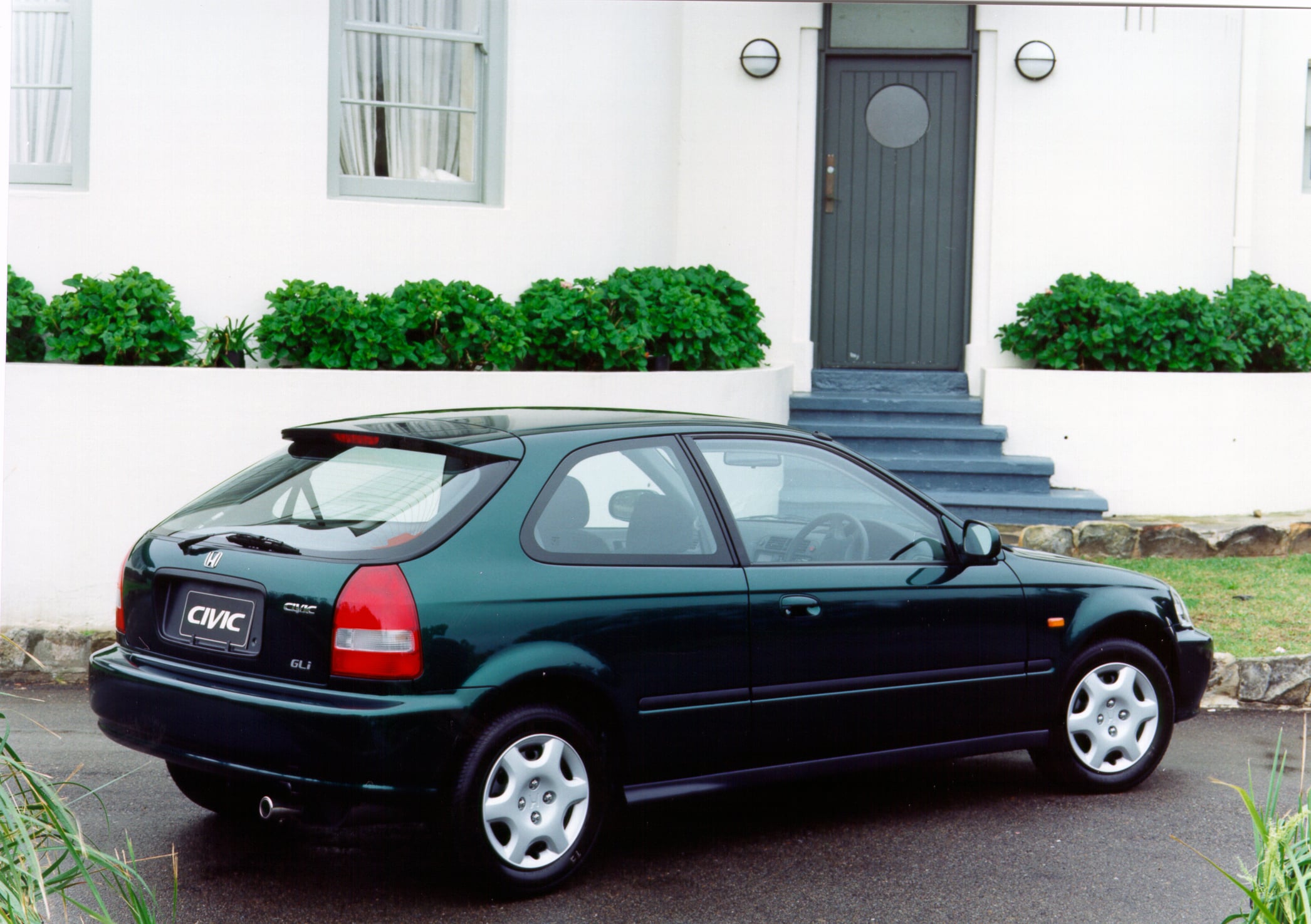
For most Aussie teens, stretching the budget to a new Integra Type R was a leap too far, but with a few choice modifications, repurposing an older Civic hatch into your own vision of the Type R ethos was just as good. Almost.
Subaru WRX
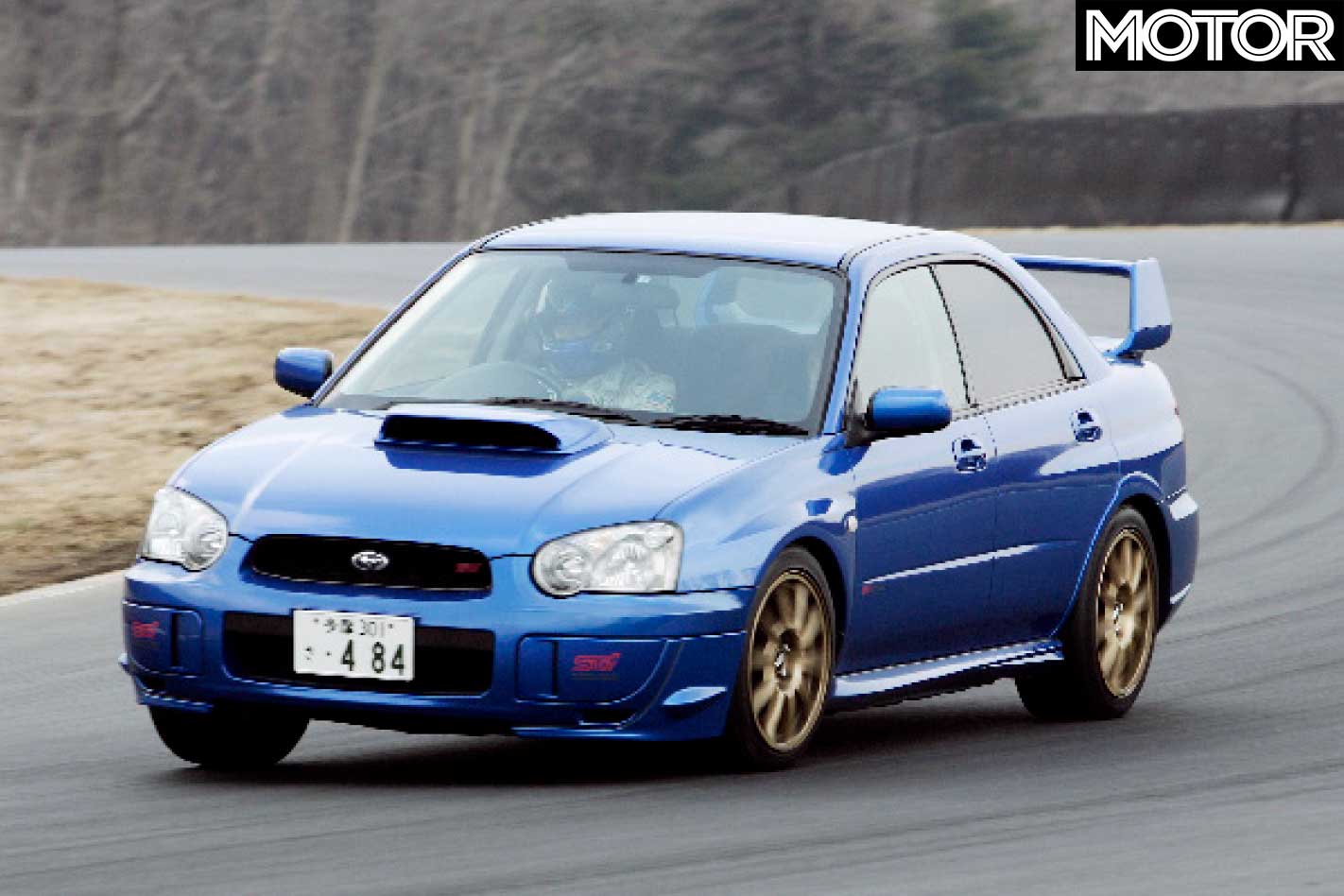
The rally-bred Subaru WRX quickly proved that it could do things no other small car could. Its turbocharged performance and all-wheel drive saw it quickly earn a wild reputation.
Outside of motorsports, it became the getaway vehicle of choice with capital city underbellies. Cops couldn’t catch the damn things, and the seedy reputation only added to the appeal. Compact, light, but above all, quick. The WRX was everything a young driving enthusiast could ask for.
The Alternative: The less naughty Impreza RS
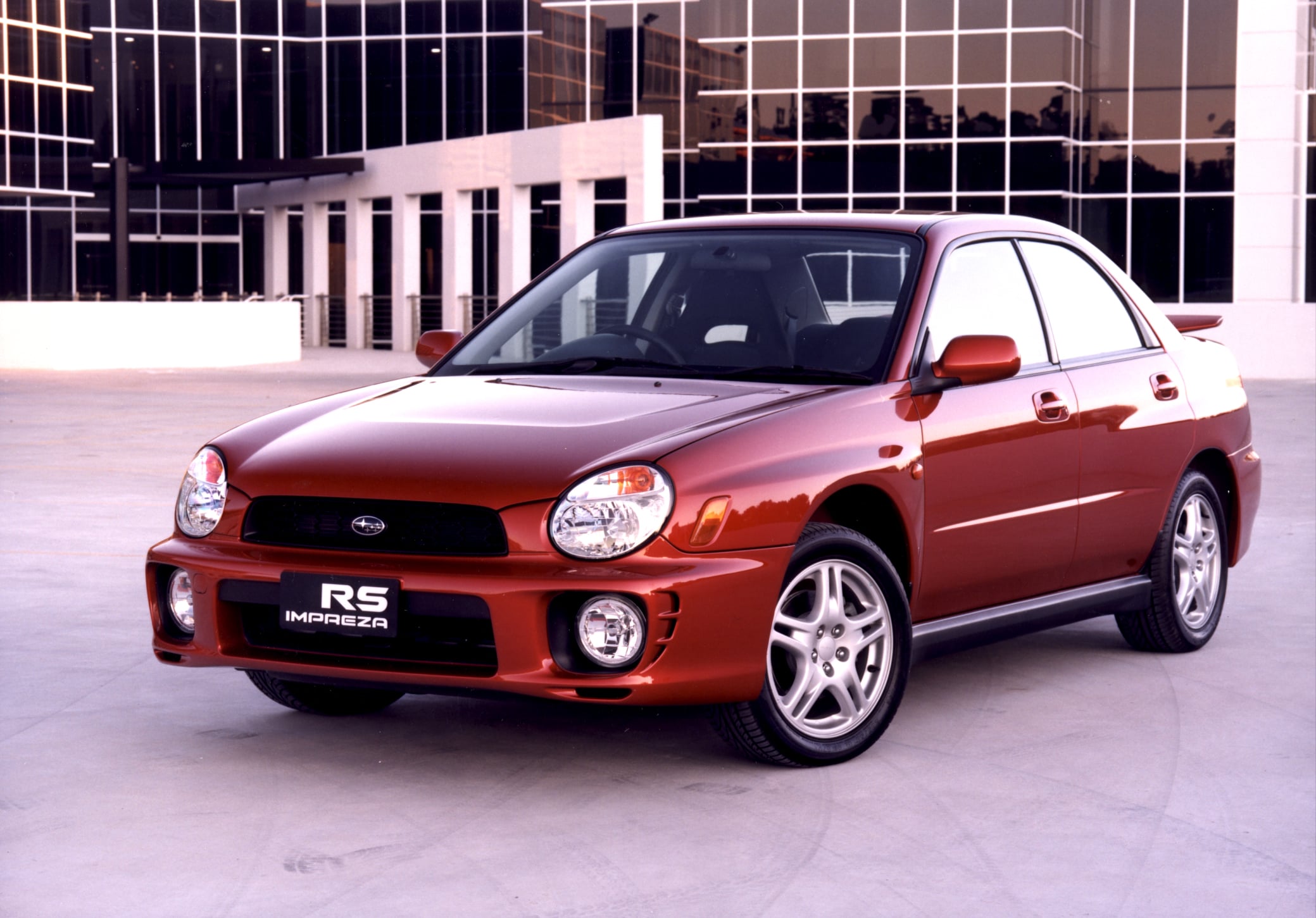
All that infamy meant that insurance spiralled out of control, and the chances of a first-time driver even getting coverage behind the wheel of a WRX were almost impossible. Subaru wasn’t blind to this, so in the early 2000s launched the WRX-styled Impreza RS, which got close to the visual appeal of a WRX, but with the reduced insurance risk of a 2.5-litre engine without a turbo.
Ford Falcon XR6 Turbo
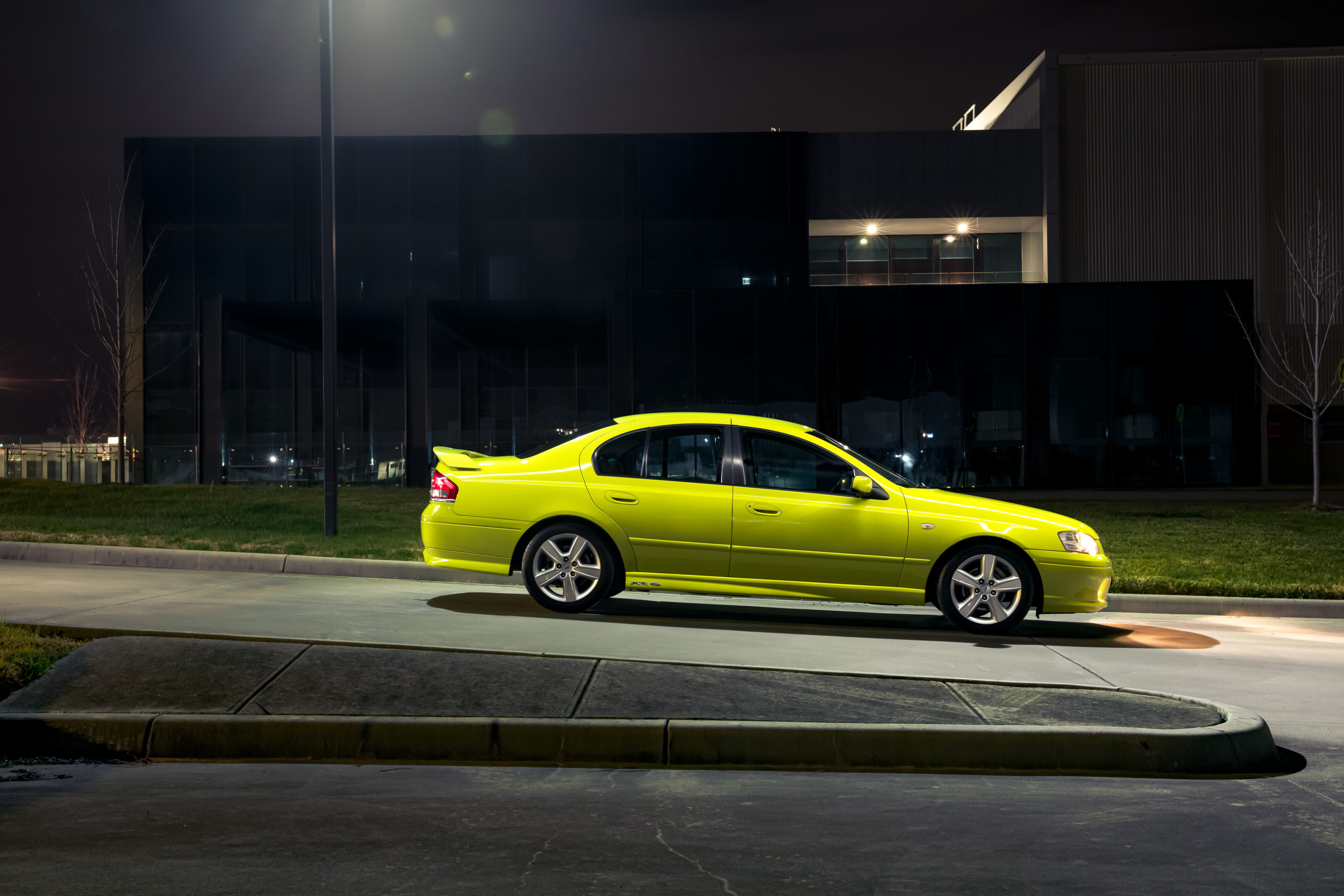
Ford left no stone unturned when it came to performance Falcons. In the ‘90s, V8S returned. Meanwhile, Tickford fine-tuned the 4.0-litre six into a performance star of its own. By the early 2000s, a new hero arrived, and the BA Falcon blindsided the Holden Commodore with the XR6 Turbo.
Immediately, one Falcon united big-displacement Aussie car fans and turbocharged JDM enthusiasts. The price was right, and the potential was just begging to be exploited.
The alternative: Dad’s hand-me-down Falcon XT with a body kit
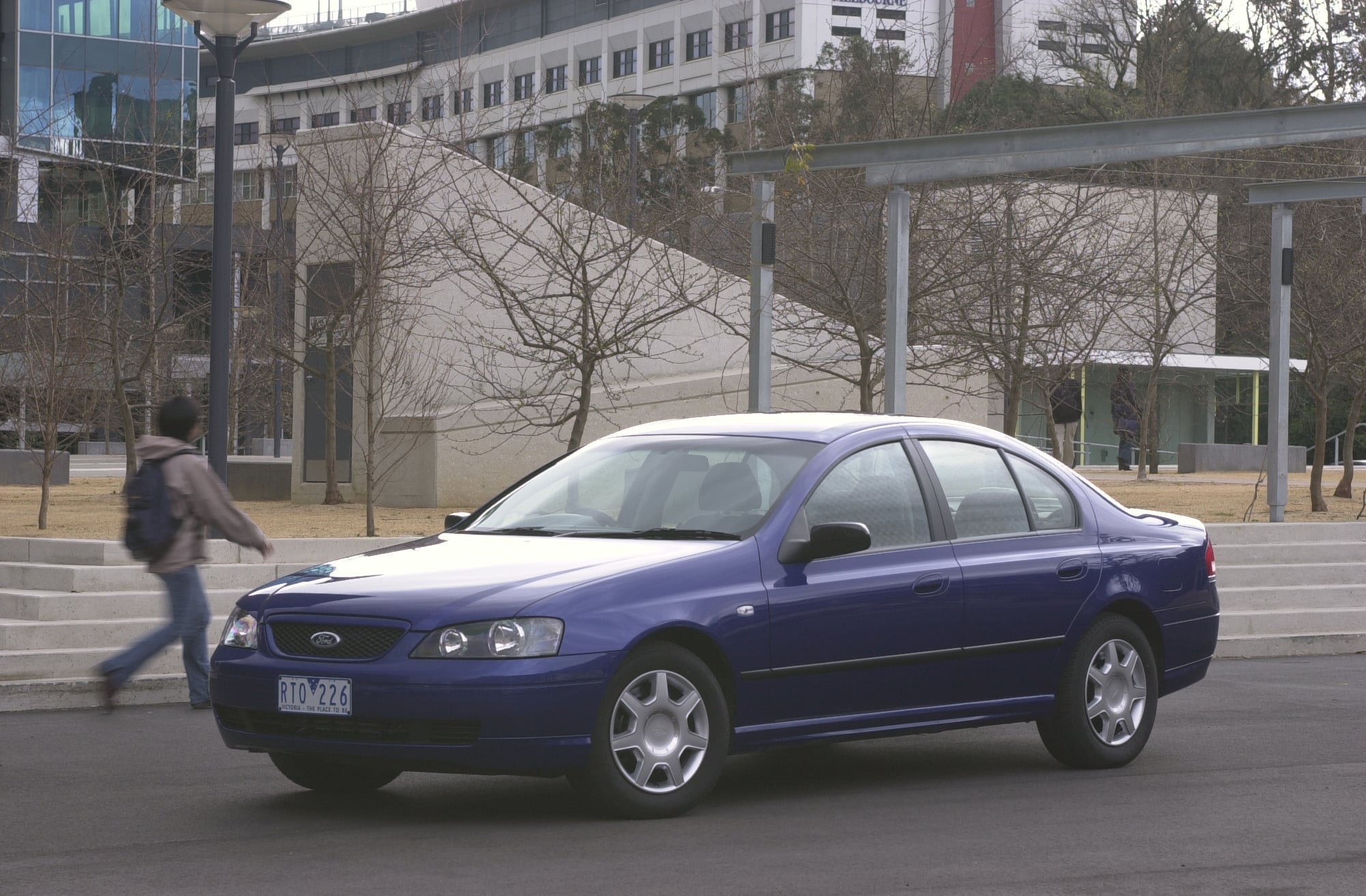
The XR6 Turbo was the goal, but if dad’s company lease on his work Falcon XT was close to ending, you were probably in line to have it passed on to you. That’s okay though, it still had moderate potential, and swapping on XR6 rims and maybe a rear spoiler helped ease the pain a little.
Holden VL Commodore Turbo
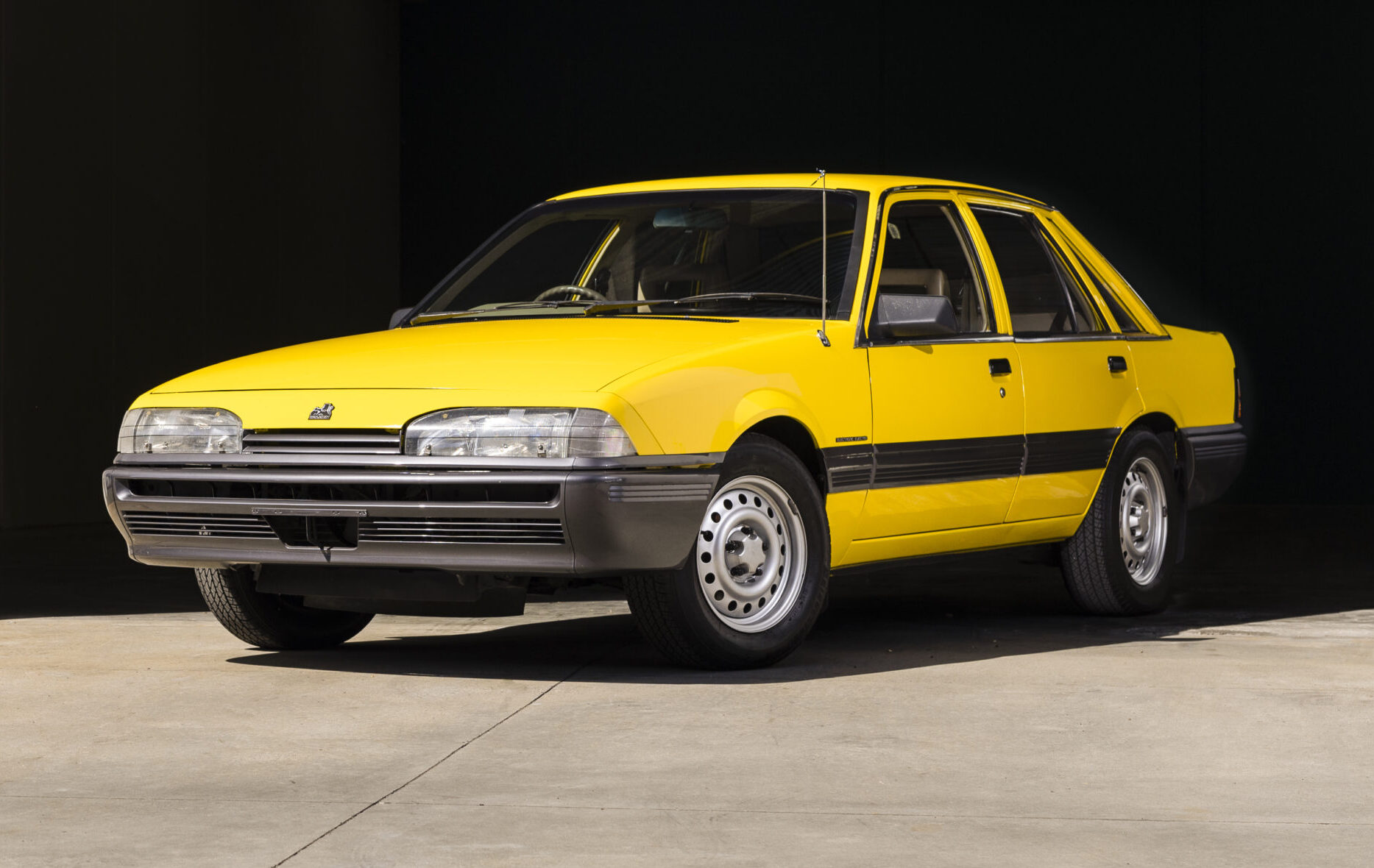
Although they weren’t entirely overlooked when they launched, the VL Commodore turbo range wasn’t an immediate P-plate hit. Over the decades that followed, the VL turbo built up a reputation for being loud, fast, and anything but subtle in the right (or should that be wrong) hands.
As their notoriety grew, their numbers dwindled. Some were scrapped before their potential was recognised, others met more grisly ends, and the market decided that the car you wanted should be priced beyond your means.
The alternative: A VN Commodore seems more realistic
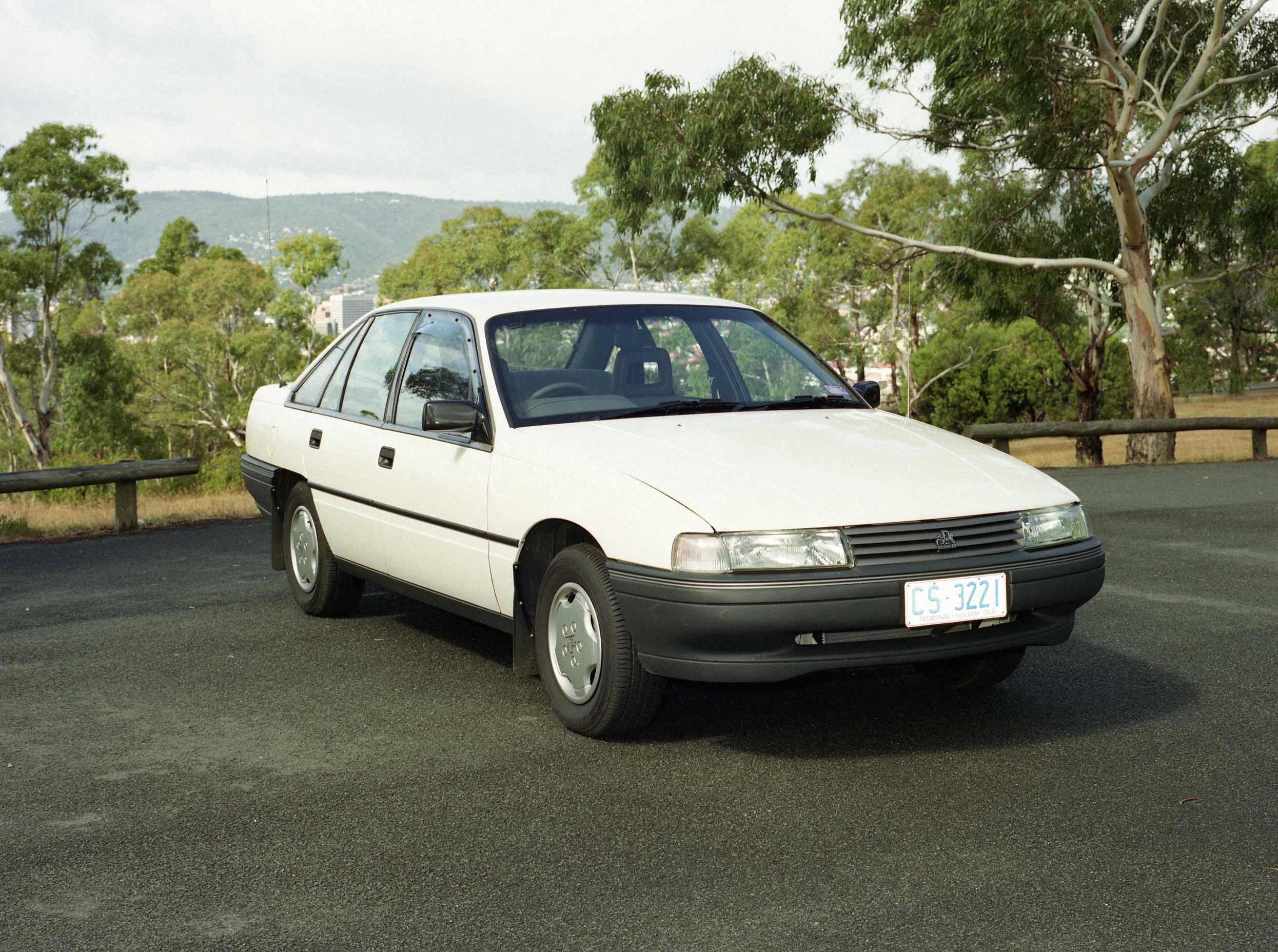
Browsing through the classifieds presented a tough choice. Pay over the odds for the VL of your dreams, or opt for something newer and ultimately a bit safer for less money, by putting yourself into a VN Commodore V6 instead.
In the 104th running of the Pikes Peak International Hill Climb – the annual invitational motorsport event held in Colorado Springs, USA and first run in 1916 – it wasn’t a mega dollar, one-off race car that stole the show. Rather it was a production Chevrolet Corvette in the hands of an IndyCar driver that set a new record.
US reports at the time of its release called the Chevrolet Corvette ZR1X a ‘legitimate hypercar’, and while that claim might seem lofty, the numbers on paper certainly back that notion up. Power comes from a twin-turbo 5.5-litre, V8 engine, and a 400-volt electric motor that powers the front wheels. Peak power is a monstrous 932kW and Chevrolet quotes the 0-60mph dash as taking just 1.68 seconds. Capable of covering the quarter mile in 8.675 seconds, the ZR1X is effectively a race car straight off the showroom floor.
And now it’s got a Pikes Peak record to add to its list of achievements. With IndyCar veteran JR Hildebrand behind the wheel, the ZR1X put down a new production car record of 9 minutes, 30.104 seconds on the iconic 20km mountain climb.
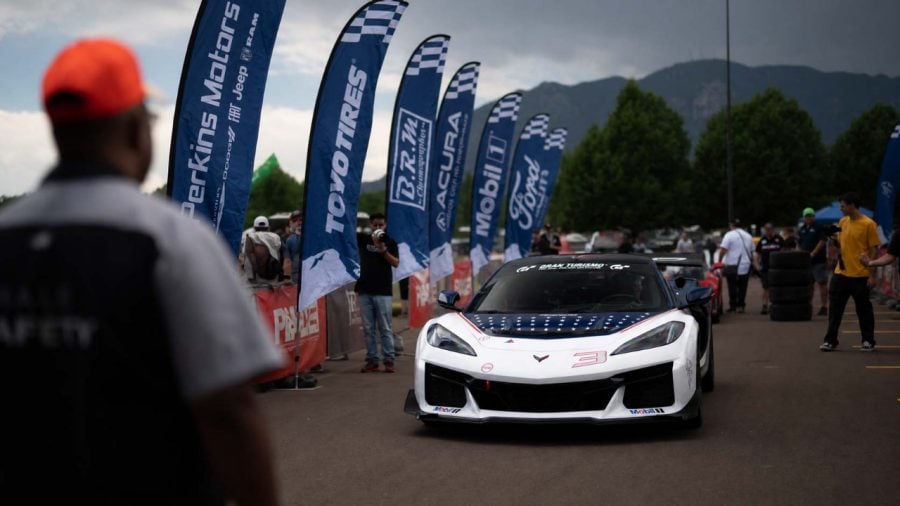
It was initially thought that GM would have a crack at the record last year with the non- hybrid ZR1, but GM’s executive chief engineer for global Corvette and Performance Cars, Tony Roma, explained that the manufacturer wanted to separate the achievements of the ZR1 at the Nurburgring, and the ZR1X at Pikes Peak.
“We talked about running the ZR1 last year,” Roma told US media. “Really, the ZR1X is a better match to the mountain. The electrification, with 186 horsepower, is still there all the way up to the top of the hill. Even though our turbochargers do a really, really good job of compensating, it doesn’t quite make up for that much.”
Given the AWD underpinnings of the ZR1X, it is significantly better suited to the demands of the Pikes Peak course than the RWD ZR1. With so many tight hairpins, Pike Peak rewards the traction afforded by an AWD platform, not to mention the crippling effect that altitude has on internal combustion engines. At the summit, Pikes Peak is 4302 metres above sea level. Its why the outright record is still held by Volkswagen fully-electric ID.R prototype.
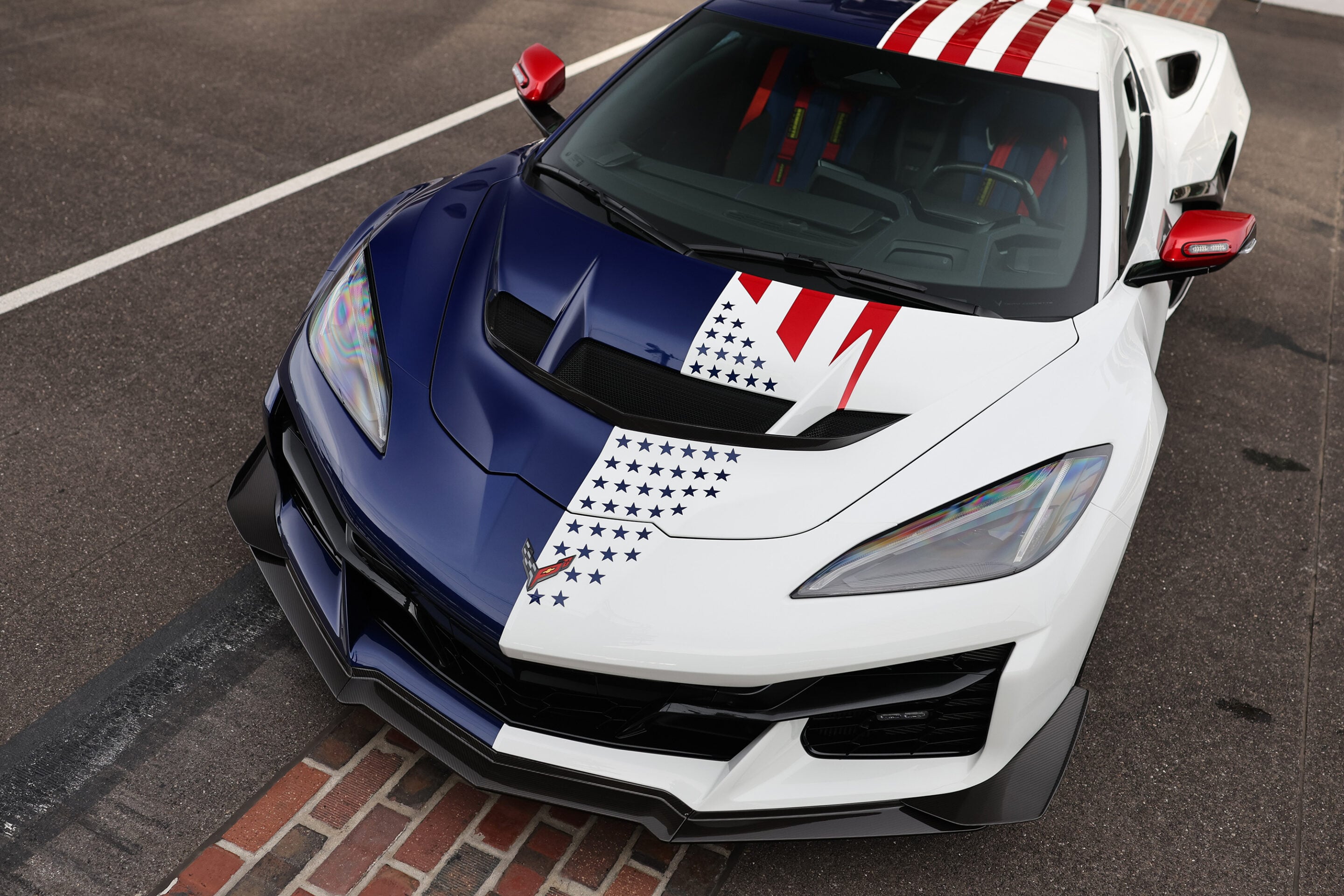
Driver Hildebrand was blown away by the way the Corvette worked on the mountain. “I’ve been really impressed throughout the whole process of running the car, how much we’ve been able to just treat it like a race car,” he said. “I don’t think I’ve ever driven a car that has this type of setup, this type of system going on, that’s so well integrated.”
There was plenty of strategy taken into the run, derived from testing before the event. For instance, Hildebrand used ‘Endurance’ mode, which maintains battery power – deployed at higher elevation – relying on the huge turbos to speed up the run through the early phase. That same mode also allowed the ZR1X’s regeneration system to feed power back into the relatively small 1.9kWh battery pack.
Once the Corvette reached a certain elevation point, Hildebrand then started using the ‘push to pass’ feature as often as he could, while the suspension was set for the full run in ‘Track’ mode. Hildebrand even told journalists he kept the traction control activated.
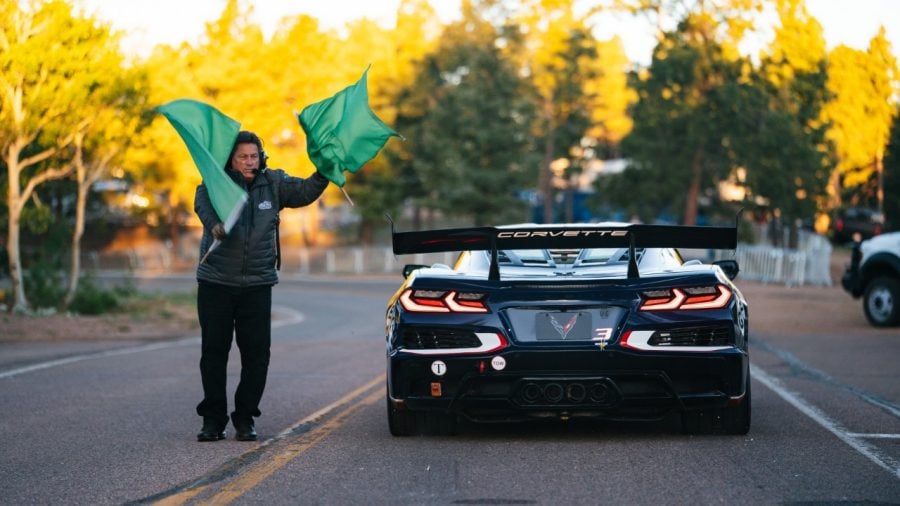
Interestingly though, questions have been asked as to how ‘stock’ the ZR1X really was. The VIN indicates its a pre-production test mule, the interior had been stripped out, a roll cage fitted, fire suppression and kill switches included, and it was running a fuel cell in the boot. Even if the time isn’t ratified as true production car, it does go to show just how formable a production car can be now at the highest level.
Nissan’s e-Power hybrid system has always been unique in the Australian new car market because it delivers an EV-like driving experience without the need to plug in and because the engine never drives the wheels, delivering superior refinement to many other hybrid drivetrains.
Now the updated Qashqai e-Power has arrived in Australia with improvements aimed at boosting efficiency, reducing emissions and adding performance, which Nissan hopes will keep it competitive in an increasingly crowded hybrid small SUV market. Here’s a look at whether the updated Nissan Qashqai e-Power is worth consideration for compact SUV shoppers.
How much does the Qashqai e-Power cost to buy?
Pricing for the updated Qashqai range starts at $45,640 plus on-road costs for the entry-level ST-L and tops out at $54,140 +ORC for the top-spec N-Design (in name at least, it strangely doesn’t get all the fruit of the one-rung-lower Ti-L tested here). In the middle are the Ti and aforementioned Ti-L tested here, and unlike the pre-updated Qashqai, there’s no longer a pure petrol model on offer. The whole line-up now uses the updated e-Power hybrid system, helping Nissan achieve NVES compliance by emitting just 92g/km of CO2.
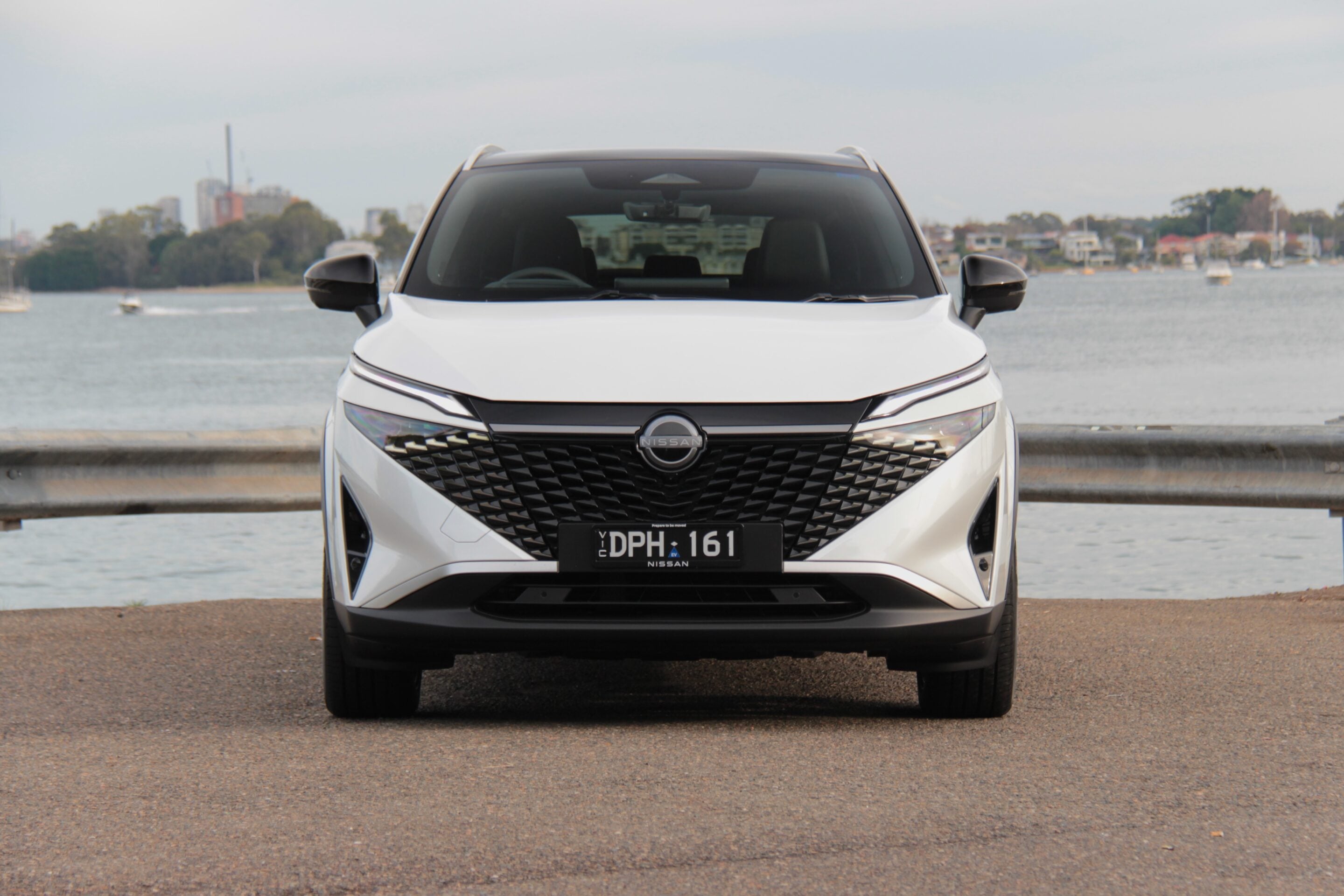
2026 Nissan Qashqai pricing (excluding on-road costs):
| ST-L | $45,640 |
|---|---|
| Ti | $49,640 |
| Ti-L | $53,640 (tested for this review) |
| N-Design | $54,140 |
There’s plenty of competition for the Qashqai e-Power, including the Toyota Corolla Cross, Mazda CX-30, Hyundai Kona, Honda ZR-V, Subaru Crosstrek, Volkswagen T-Roc, Skoda Karoq and Kia Seltos. Most of them offer hybrid power at least optionally, while there are also fully electric options such as the BYD Atto 3, MGS5 EV, Kia EV3 and Skoda Elroq.
The Qashqai is one of the pricier options in the small SUV segment. Including driveaway costs and depending on location, it’s almost $50,000, which is around $8000 more than the Corolla Cross. Like-for-like, yep, the Qashqai is definitely better equipped, much higher quality and it’s also built in the UK, which is more expensive to source cars from for the Australian market compared with Japan where the Corolla Cross is built.
While it isn’t the cheapest in the segment, the Ti-L grade of the Qashqai is at least quite well equipped, including features such as 20-inch wheels, a panoramic glass roof, quilted leather upholstery, heated and massaging front seats, 12.3-inch displays, a 10.8-inch head-up display, 10-speaker Bose audio, a wireless phone charger and a full suite of safety features, including adaptive high beam, a 360-degree camera and Nissan’s ‘ProPilot’ semi-autonomous adaptive lane guidance and adaptive cruise control driving capability.
How fuel efficient is the Qashqai e-Power?
The e-Power system is unique in the Australian market in that the 1.5-litre turbocharged petrol engine is used purely as a generator for the battery. Unlike a Toyota or Honda hybrid system, it never powers the wheels, leaving that job to the electric motor. This means that aside from the quiet hum when the engine is switched on, the Qashqai e-Power feels more like an electric car to drive because it’s not switching between fuel sources.
It’s also punchier than you’d expect, with the full 311Nm of torque hitting from 0rpm (and now with 11kW more power in sport mode at 151kW). Nissan doesn’t quote a 0-100km/h time, but we guesstimate it in the 7.5-8.0 second bracket, which is quick for the segment.
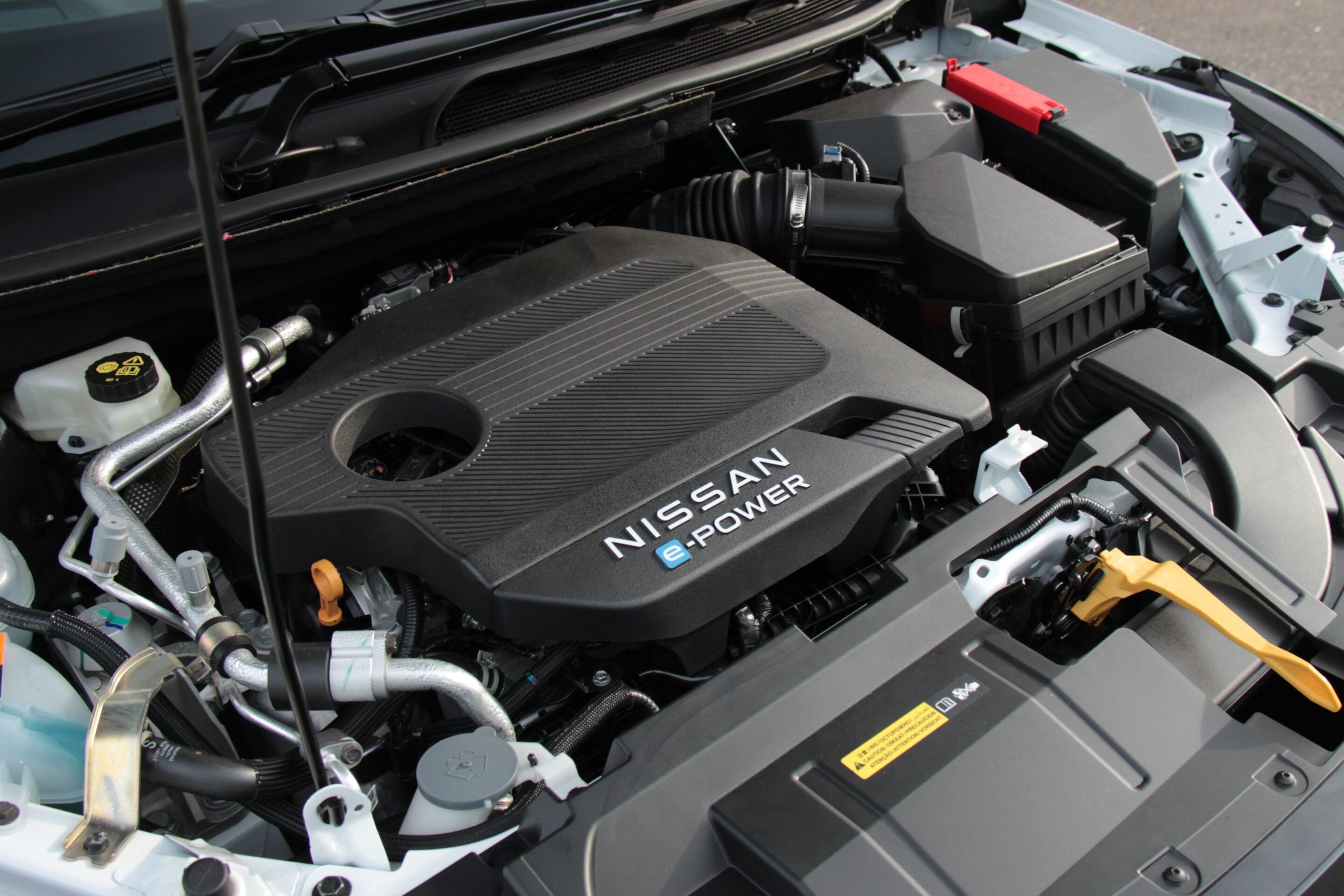
The Qashqai e-Power used to be rated at 4.8L/100km on the combined cycle, but thanks to improvements to the e-Power system, its rating has been lowered to just 4.1L/100km, which is 0.1L/100km less than an equivalent Corolla Cross and only 0.2L/100km above the smaller/36kW less powerful Kona Hybrid.
In the real world, we ended up on 4.9L/100km, including a decent amount of highway driving, which is at least 1L/100km less in the real world than the pre-updated model. It’s great to see a car maker genuinely improving its drivetrain for real world fuel consumption but not taking away any performance in doing so.
What is the Qashqai e-Power like to drive?
The Qashqai has always been a product designed in Europe for European tastes, and because of that and the Ti-L’s standard fit 20-inch wheels, it’s a bit firm when it comes to Australia’s mixed road quality. It’s far from uncomfortable and settles nicely at highway speeds, but around town, the ride is constantly fidgeting and making noise.
That said, the wheels themselves look fantastic, so it’s up to you whether you think that’s a fair trade – cheaper Qashqai models use smaller wheels and would likely ride better, but don’t look quite as sharp. Otherwise, the Qashqai is refined in terms of road noise, while the engine generating power for the battery is also quiet.
The Qashqai is not a sporty handler like a CX-30 or even a Corolla Cross, but it does drive well. Its 1701kg kerb weight makes it one of the heavier small SUVs, but its grippy tyres mean that you can chuck it into a corner at reasonably high speeds and it will recover well. The steering isn’t as direct or connected as a CX-30, but it’s nicely weighted for urban use, and makes parking and manoeuvring easy.
Nissan’s active safety features are also quite well tuned and barely reacted in our week with it – a nice contrast to some models that it will be compared with, which seemingly do not trust your ability to drive.
How practical is the Qashqai e-Power?
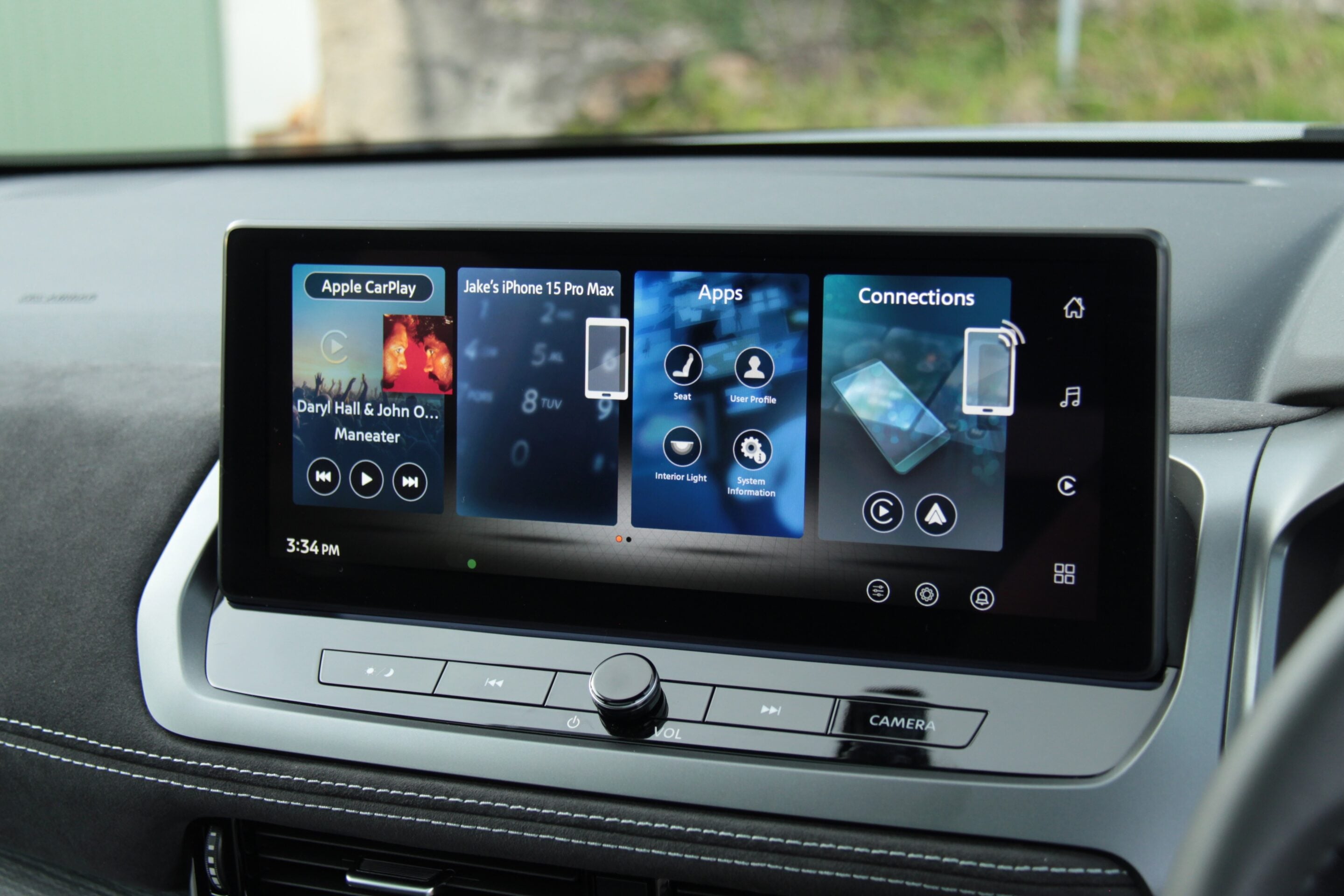
One way where the Qashqai might prove its cost is inside because it feels far more expensive than something like a Corolla Cross. That’s thanks to its lovely material choices, from the quilted leather on the seats to the suede on the dashboard and doors, and even the depth of the plastics. You can tell that Nissan has been putting more effort into its interiors of late and the Qashqai – plus the X-Trail, it must be said – is a great example of that. By comparison, the materials in the aforementioned Corolla Cross feel quite cheap, though it does cost a lot less.
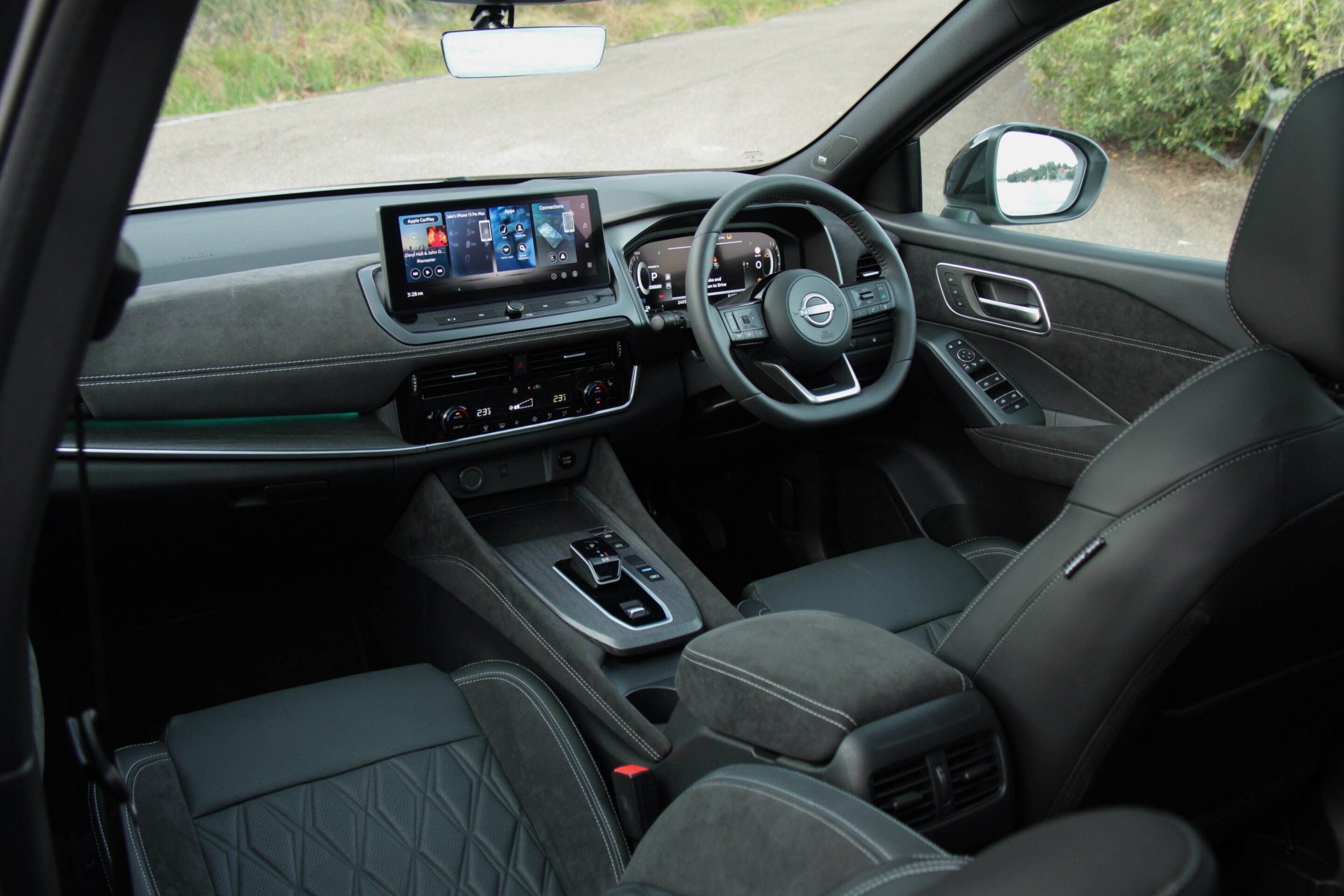
A 12.3-inch touchscreen is fitted as standard across the Qashqai range and it’s quite easy to use, though feels a touch dated in that it is a bit slow. Australian Qashqai models also miss out on the inbuilt Google features of the European model, so we don’t receive any inbuilt navigation or access to an app store to download more. Wireless Apple CarPlay and Android Auto are standard, easy to connect and proved reliable in our time with the car. A 10-speaker Bose sound system provides punchy audio quality.
There could be more storage space inside the Qashqai though, it must be said. The cup holders are a good size, as are the bottle holders in the door, but thanks to the large transmission selector panel and wireless charger tray, the only centre console storage is the reasonably-sized bin under the suede-covered central armrest.
Two taller adults will be quite comfortable in the rear seat of the Qashqai thanks to comfortable seats, a good amount of space and plenty of amenities. The panoramic glass roof adds extra light and space into the rear cabin as well. Features include map pockets, bottle holders in the doors, a centre armrest with cupholders, two USB-C charging ports and air vents, though no heated seats. The Qashqai’s ISOFIX points are easily accessed, and like the larger X-Trail, the rear doors open 90-degrees, which is quite helpful in entering and exiting the rear cabin.
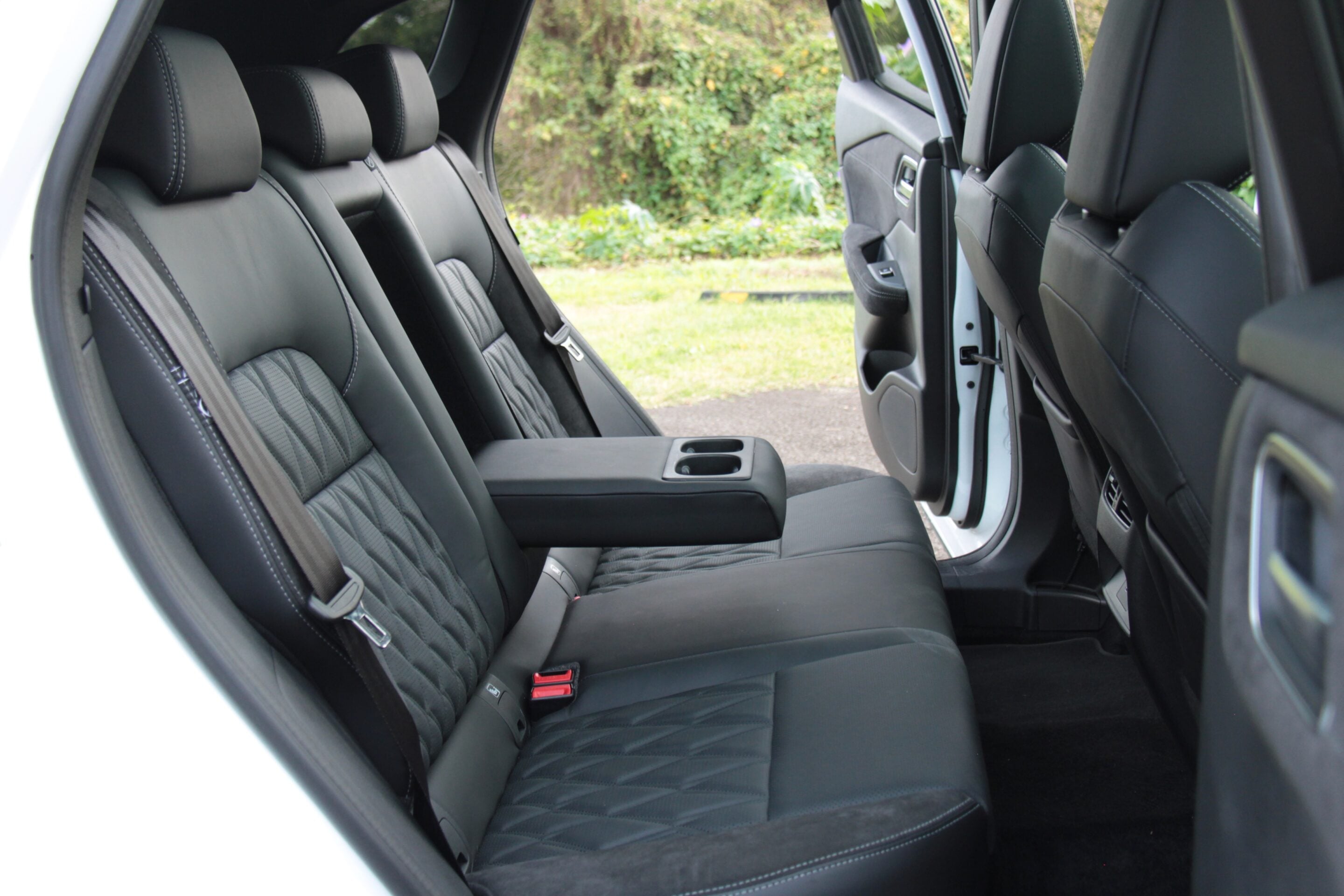
The boot in the Qashqai e-Power Ti-L specifically measures 452 litres with the rear seats up and 1376 litres with the rear seats folded, which sits it in the middle of the range for capacity (the base ST-L can carry 504/1440L and the Ti and N-Design 404/1328L respectively). That’s because it features a subwoofer in the lower boot floor as part of the Bose set up, but the Ti-L is also the only model not to feature a spare wheel of any kind. It’s an otherwise practical space with a dividing boot floor, hooks to hang bags off and the seats lie almost flat when folded.
How much does the Qashqai e-Power cost to service?
The entire Nissan range features capped price servicing and the total cost for the first five years/75,000km of servicing is $1995, or $399 per year. That’s affordable in the segment, and if you service at a Nissan dealership, its warranty is one of the best in the industry.
The standard warranty is five years/unlimited km for the car and eight years/160,000km for the hybrid battery, but again, if you service through a Nissan dealership, you can unlock up to 10 years/300,000km of warranty coverage.
Should I buy a Nissan Qashqai e-Power?
If you can swallow the price, the updated Qashqai Ti-L e-Power is a strong option in the small SUV segment. It does everything at least reasonably well, from its high quality and practical cabin to its long standard feature list, and appealing, potentially very long aftersales program. The updated e-Power system is also more fuel efficient than before, yet more powerful in sport mode too.
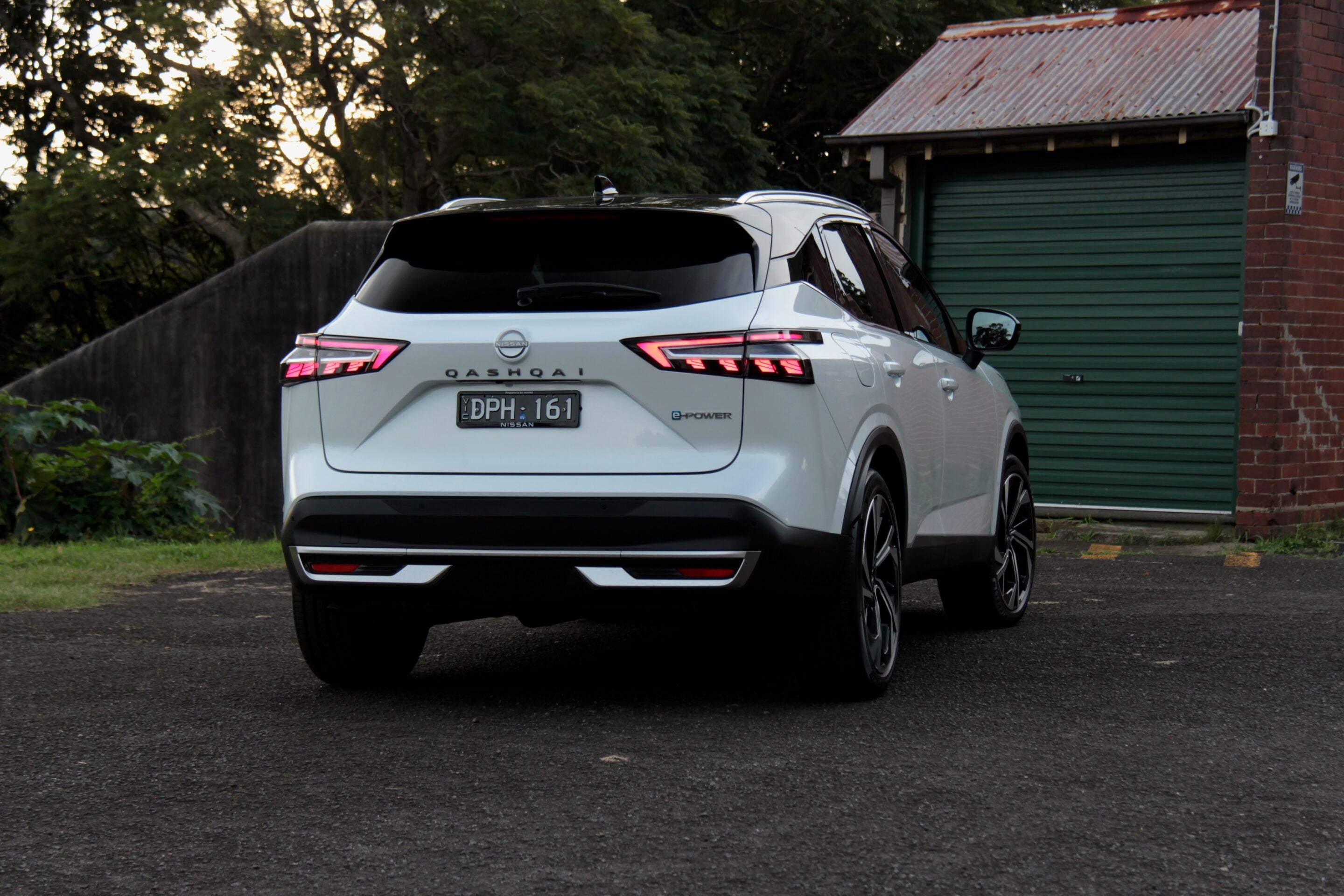
Some buyers may baulk at its pricing, being one of the more expensive options in the small SUV segment. Where the Corolla Cross starts at around $43,000 including on-road costs, the Qashqai starts at close to $50,000, and the Ti-L we had on test is around $60,000 driveaway, which is not only more expensive than the Toyota but not far off the top-spec larger X-Trail. But if you can look past the price, we think the Nissan Qashqai Ti-L e-Power is a worthy small SUV option.
Qashqai Ti-L e-Power standard features:
- 20-inch alloy wheels (with tyre repair kit)
- Dusk- and rain-activated automatic LED exterior lighting with scrolling indicators
- Rain-sensing automatic wipers
- Keyless entry with push button start
- Heated/auto-folding mirrors
- Roof rails
- Panoramic glass roof with power sunshade
- Rear privacy glass
- Electric tailgate with easy-open functionality
- Quilted leather upholstery with suede dashboard and door inserts
- 12-way electric front seats with driver’s memory
- Heated and massaging front seats
- Heated leather steering wheel
- Dual-zone automatic climate control with rear air vents
- 12.3-inch digital driver’s display
- 10.8-inch head-up display
- 12.3-inch touchscreen
- Nissan Connect live services
- Wireless Apple CarPlay and Android Auto
- AM/FM/DAB+ digital radio
- Bluetooth calling and audio streaming
- 10-speaker Bose sound system
- 4x USB-C ports
- Wireless phone charger
- 12x 12V sockets
- Colour-selectable LED cabin ambient lighting
- 7x airbags
- Autonomous emergency braking with pedestrian, cyclist detection and junction assist
- Adaptive cruise control with ‘ProPilot’ adaptive lane guidance
- Lane keeping assistance
- Blind-spot monitoring
- Rear cross-traffic alert
- Automatic low-speed rear braking
- Traffic sign recognition
- Driver attention monitoring
- Adaptive automatic high beam
- Front and rear parking sensors
- 360-degree camera
- Tyre pressure monitoring
- Anti-theft alarm
Qashqai Ti-L e-Power specifications
| Price | $53,640 plus on-road costs |
|---|---|
| Drivetrain | 1498cc turbocharged three-cylinder range-extender hybrid |
| Combined peak power | 140kW (@ 4900 – 5900rpm) (151kW in sport mode) |
| Combined peak torque | 311Nm (@ 0 – 3600rpm) |
| Transmission | Single-speed, front-wheel drive |
| Claimed 0-100km/h time | 7.5 – 8.0 seconds (est.) |
| Claimed combined fuel consumption | 4.1L/100km |
| Claimed CO2 emissions | 92g/km |
| Fuel type/tank size | 91 RON regular unleaded, 55 litres |
| Dimensions (l/w/h/wb) | 4425/1835/1625/2665mm |
| Boot capacity | 452 litres (rear seats up), 1376 litres (rear seats folded) |
| Kerb weight | 1701kg |
| Warranty | Five-year/unlimited km (car – extendable up to 10 years/300,000km with dealer servicing), eight-year/160,000km (battery) |
| Five-year service cost | $1995 ($399 per year) |
| On sale | Now |
Ian Callum, the former head of Jaguar’s design department from 1999 until 2019, has revealed his thoughts on the brand’s new direction.
In an interview with Motor1.com, Callum described Jaguar’s Type 00 concept, the concept that previews the British brand’s radical design overhaul, as both brutal and lacking beauty.
Callum’s words weren’t all negative, however, but there’s a sense that the former Jaguar designer, who led the brand’s last major design relaunch in 2006 – a styling language still in use until 2025 – sees room for improvement.
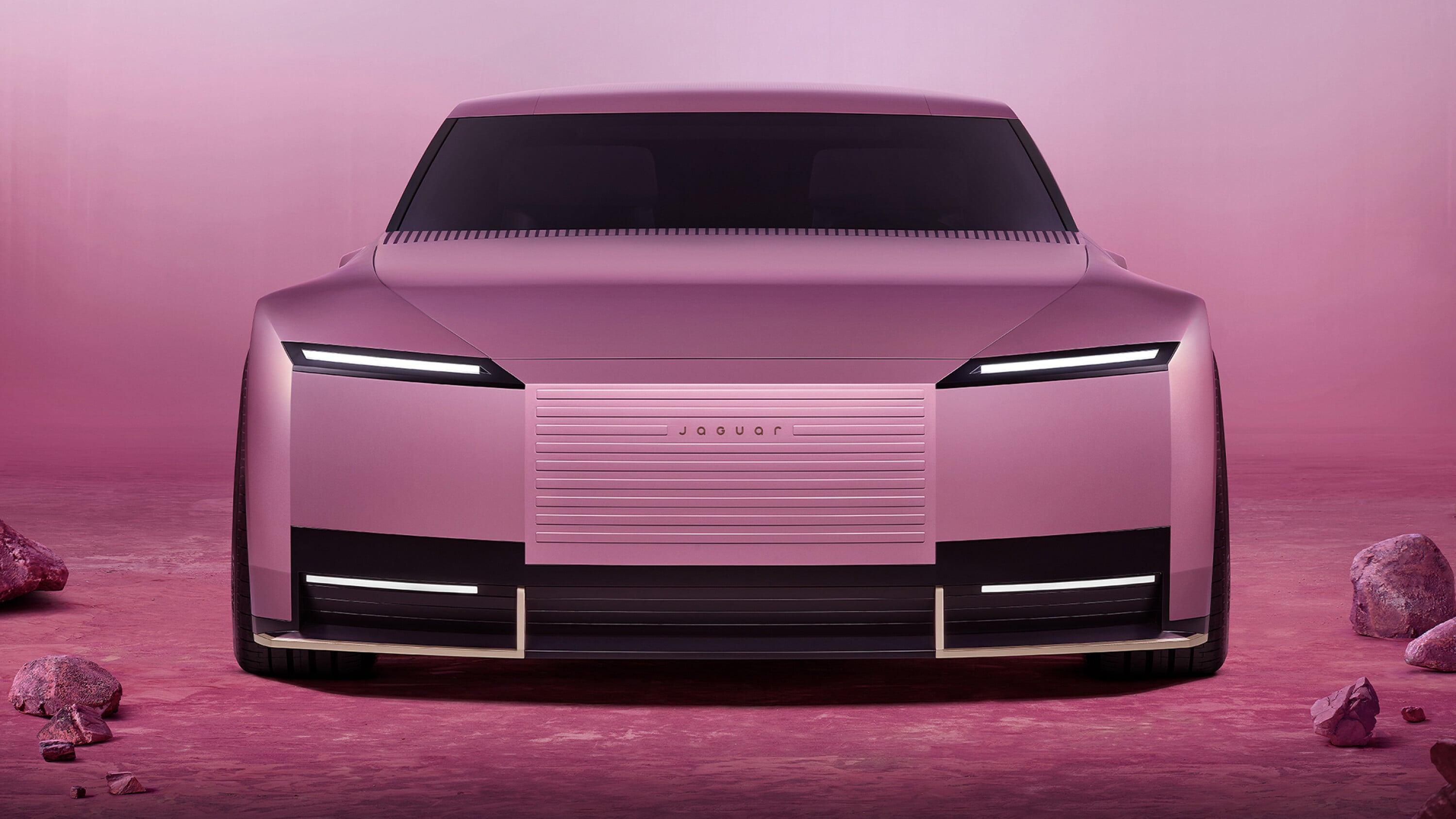
“The [concept] is very bold, and it’s very dramatic. It lacks beauty. I won’t deny it’s bold and it’s dramatic; it’s a very extreme proportion.” Callum said when asked about Jaguar’s new design approach.
“For me, the proportion is too retro… but the extremity is brave. It’s brutal, but it lacks beauty, and I think a criteria of Jaguar is to be beautiful. Not to say it’s a bad design, it just lacks that very important element of Jaguar design.”
During his time at Jaguar, Callum was responsible for the design of cars, including the 2007 XF, which adopted a contemporary style almost as controversial at the time as the Type 00 is today, owing to its near-complete departure from Jaguar’s retro-dominated styling themes.
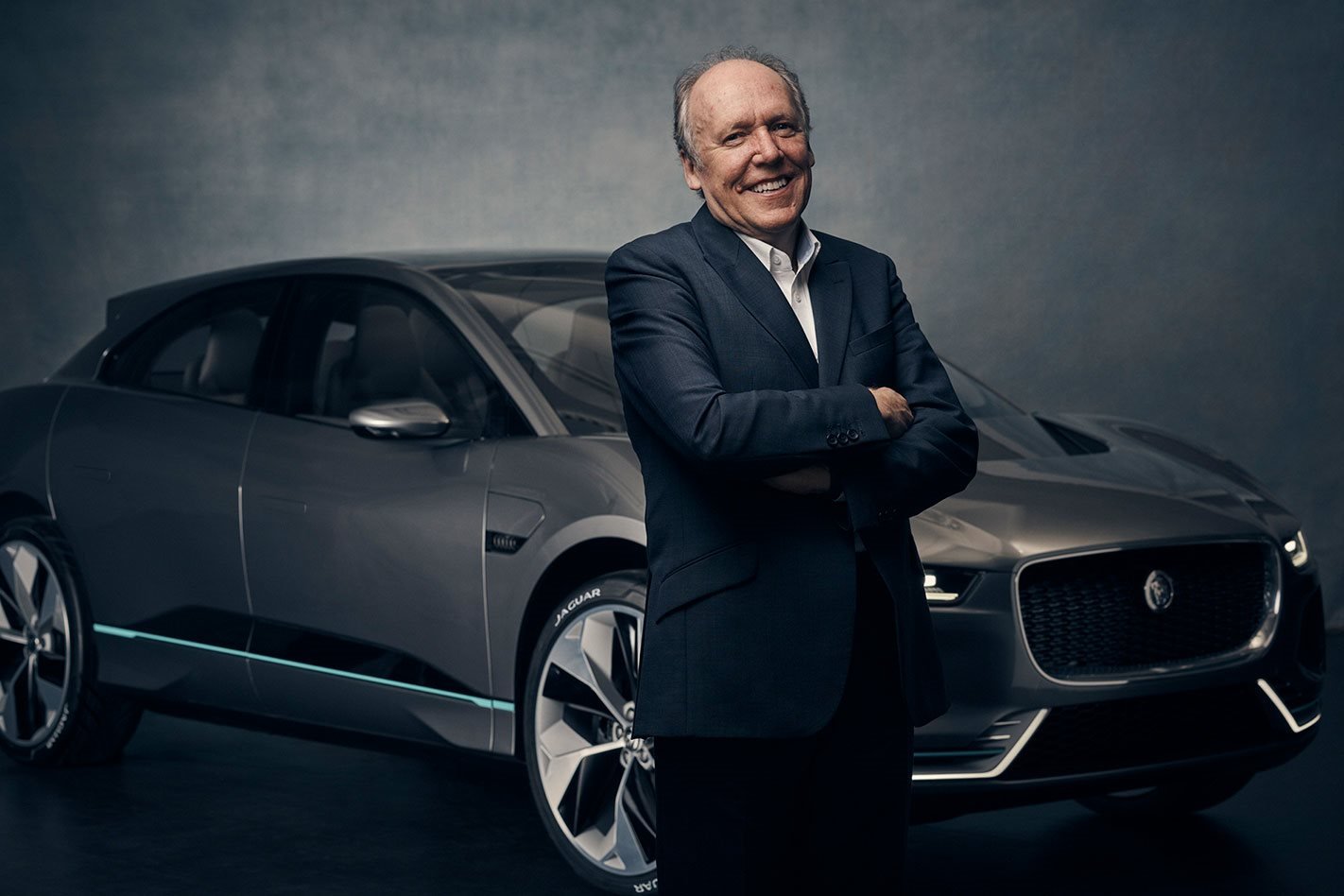
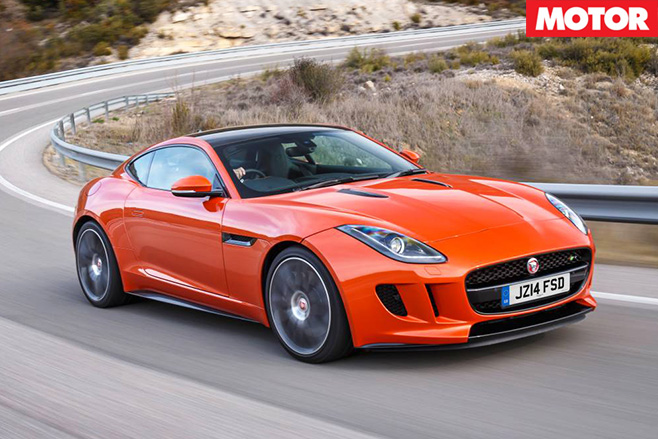
Other Jaguar designs overseen by Callum include the XJ in 2010, F-Type (below) in 2013, XE in 2015, the second-generation XF in 2015, and the F-Pace SUV and I-Pace EV in 2016 and 2018, respectively.
Ian Callum now heads up his own design firm, with in-house design and engineering capabilities, a range of restomod and all-new automotive projects, and forays into furniture and a line of boutique Scotch whisky.
Callum also suggested that Jaguar’s move to an all-electric brand, starting with the Type 01 four-door, the first production model based on the Type 00, could hamper the relaunched brand’s chances at success.
“’I think where the biggest challenge will be is the fact that it’s electric. That’s not an opinion on my part; that’s just a fact of life.” He said.
“If you look at all the electric supercars, nobody seems to want any. People who buy supercars aren’t going to worry about fuel consumption; that’s for sure.”
Jaguar Land Rover’s chief creative officer, Gerry McGovern, credited with the design of the Type 00, stepped down from his role in March 2026 after much speculation regarding his future at JLR in the aftermath of the Type 00’s reveal.
The 2027 Skoda Peaq has been unveiled as the Czech brand’s new flagship model.
The seven-seat electric vehicle (EV) is larger than the Kodiaq seven-seater, but slightly smaller than the Superb wagon, as well as being smaller than key rivals, the Kia EV9 and Hyundai Ioniq.
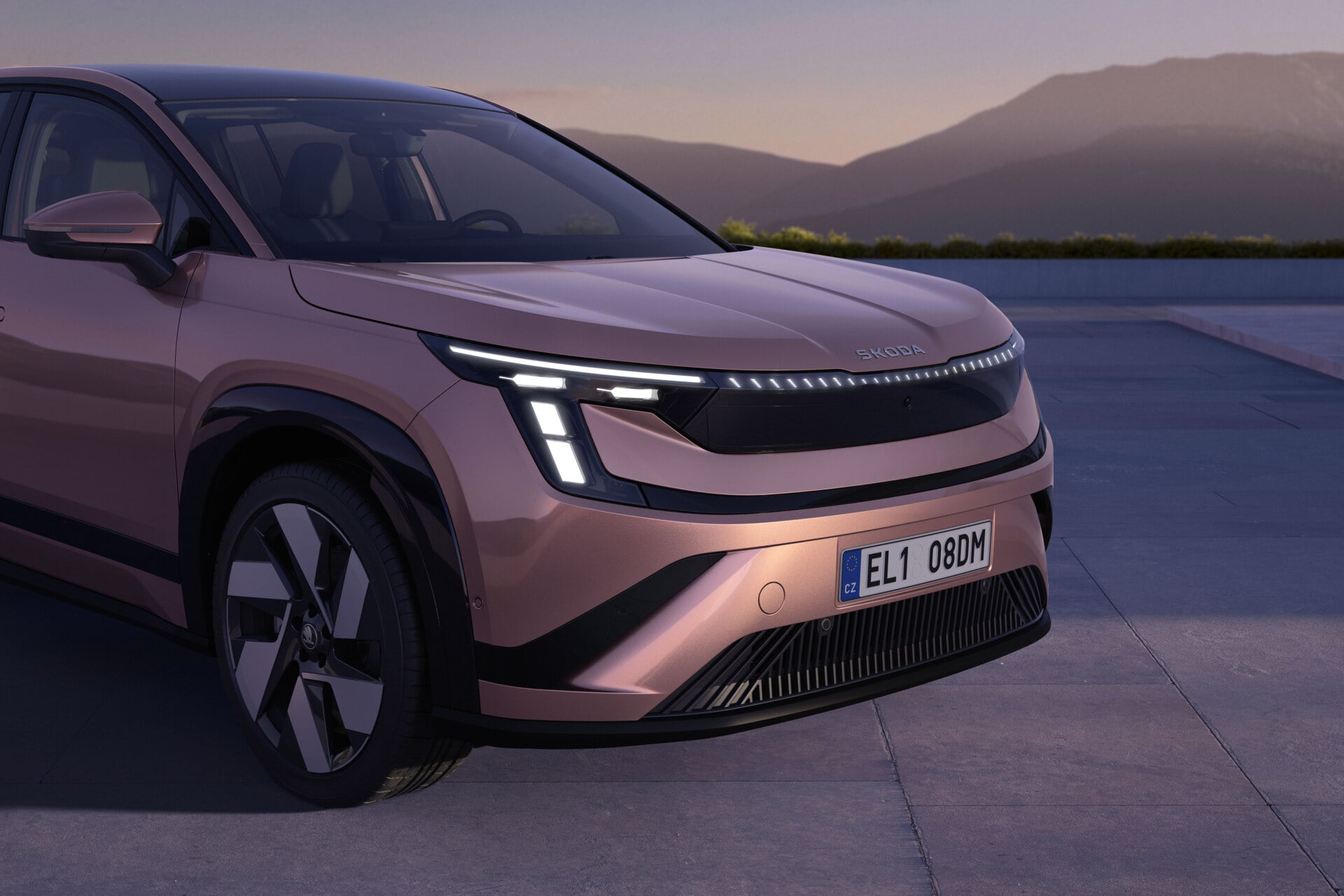
Skoda detailed three variants of the Peaq at the new model’s reveal: Peaq 60, Peaq 90, and Peaq 90x. The Peaq 60 features a single 150kW motor and 59kWh (usable) battery, the Peaq 90 ups power to 210kW with an 86kWh battery, and the Peaq 90x offers a dual-motor all-wheel-drive powertrain with 220kW combined, coupled with the larger battery.
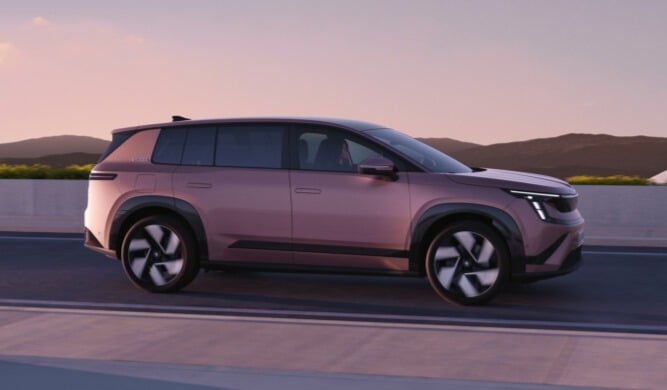
Acceleration from 0-100km/h ranges from 8.5 seconds in the Peaq 60 down to 6.8 seconds for the Peaq 90x.
As with other Skoda EVs, the Peaq is based on the Volkswagen Group’s ‘MEB’ modular electric platform, which is also used for the Skoda Elroq and Enyaq, plus the Curpa Tavascan, and Volkswagen ID.4, ID.5, and ID. Buzz.
Driving range for the Peaq 60 is rated at 459km, the single-motor Peaq 90 can cover 647km, while the dual-motor 90x drops back to 613km, based on WLTP testing.
All three are 11kW AC-charging compatible, with 160kW maximum DC charging for the Peaq 60 and 199kW for the Peaq 90 and 90x. Skoda claims 10-80 per cent charging is possible in 27 minutes for the 60 and 28 minutes for the 90 models.
With all three rows in use, Skoda claims 299 litres of luggage capacity, rising to 890 litres with the third row stowed. Folding the second row liberates 2075 litres of cargo space, with an additional 37-litre storage space under the bonnet. A five-seat version is also available with 935 litres behind the rear seats.
Interior trim is based around sustainable materials, with Skoda claiming 50kg of recycled materials used in each vehicle. Interiors are trimmed in fabric, or fabric and ‘Technota’, a faux-leather material, with the availability of partial leather and Technota trim on range-topping models.
A 10-inch driver’s display and a 13.6-inch vertical infotainment display will be available from launch, with an augmented reality head-up display being added later in 2027. The interior includes a pair of 25-watt wireless chargers, physical buttons for climate controls, and physical buttons for the steering wheel controls.
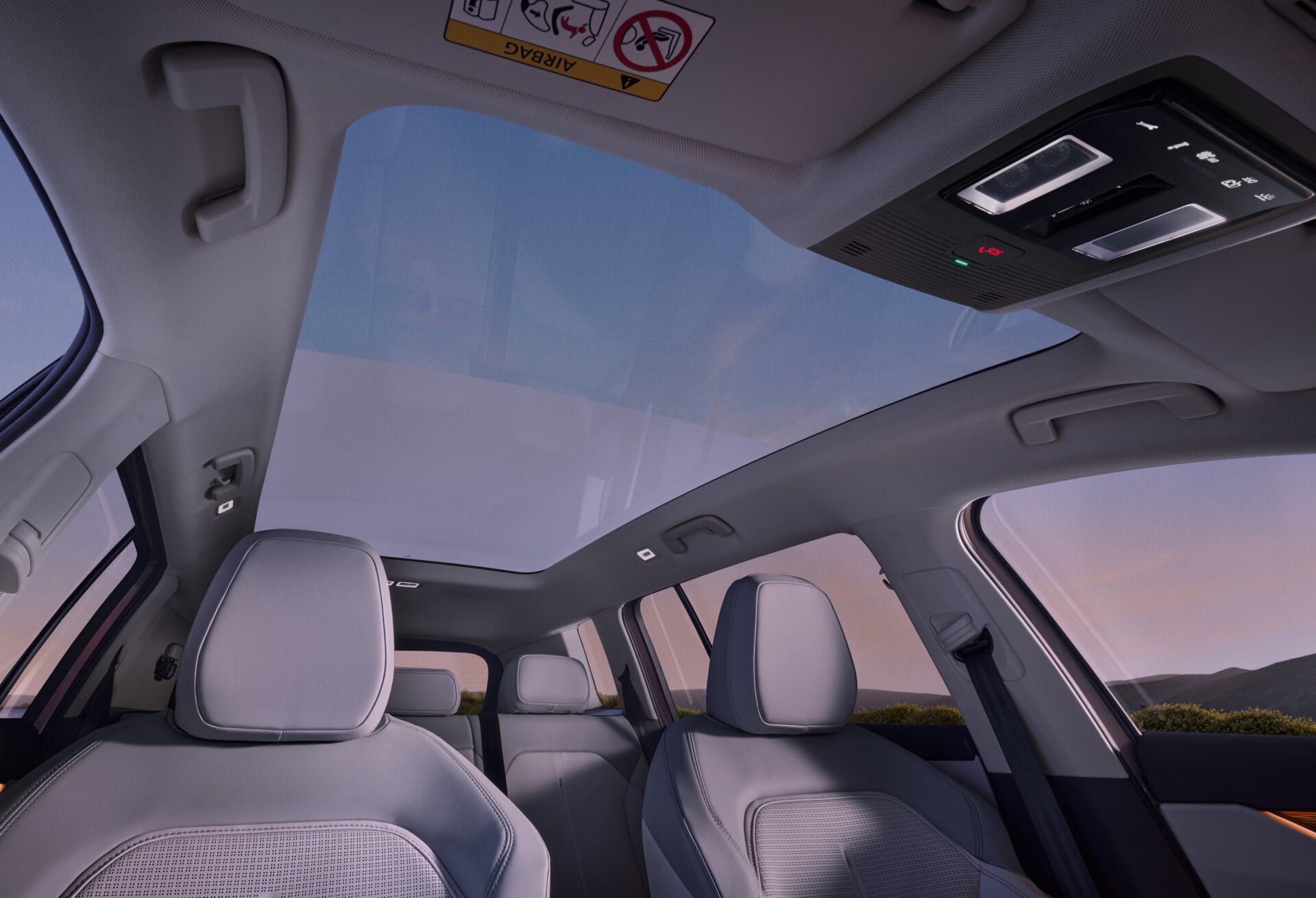
Other available interior equipment includes an electrochromatically-dimmable panoramic sunroof, Relax Package reclining front seats with massage, a 16-speaker Sonos-branded audio system, and a power-retractable cargo blind.
In terms of size, the Peaq measures 4874mm long with a 2965mm wheelbase. That makes it longer than the Kodiaq seven-seater in both dimensions (4758mm/2791). The Skoda Superb wagon is longer overall, but with a shorter wheelbase (4902mm/2841mm).
Key seven-seat EV rivals outstretch the Peaq, with the Ioniq 9 claiming 5060mm overall on a 3130mm wheelbase, and the Kia EV9 measuring 5010mm with a 3100mm wheelbase.
Australian availability for the Peaq has yet to be confirmed, but with right-hand production for the UK confirmed for later in 2026, one of the major roadblocks to seeing the new model here has already been overcome.
